Mercedes-Benz Brazil
Commercial
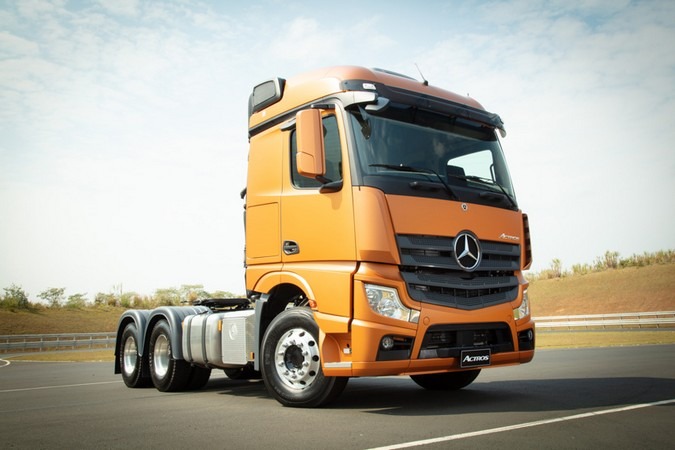
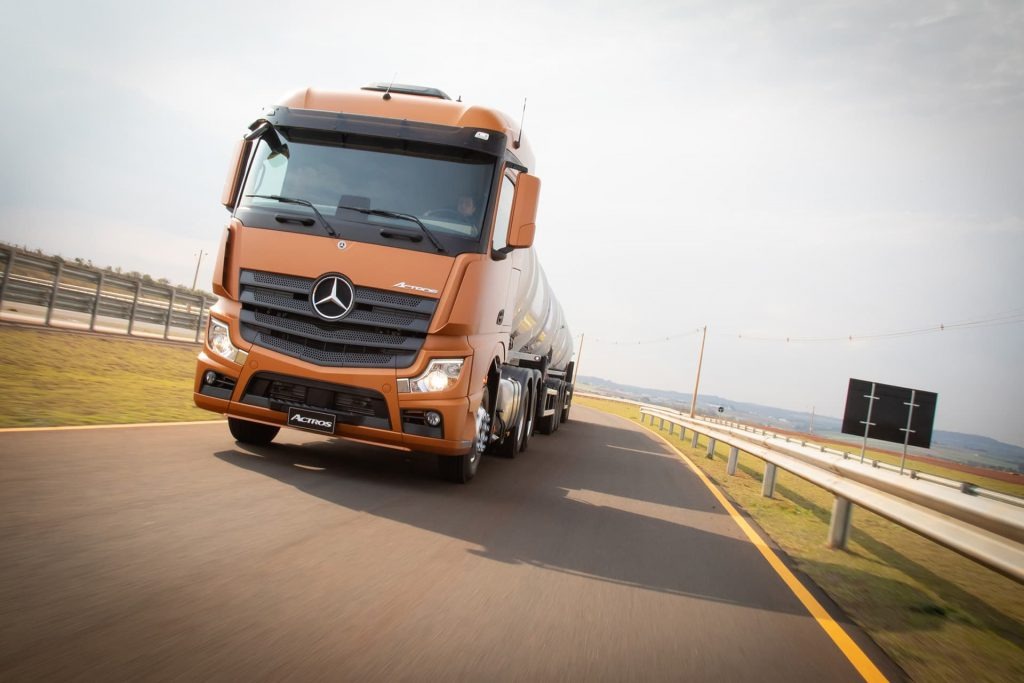
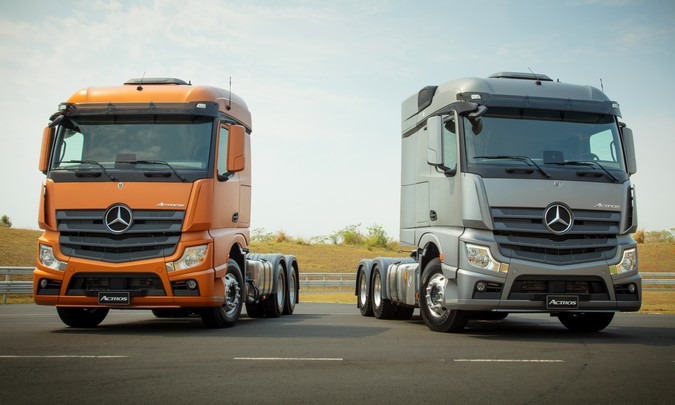
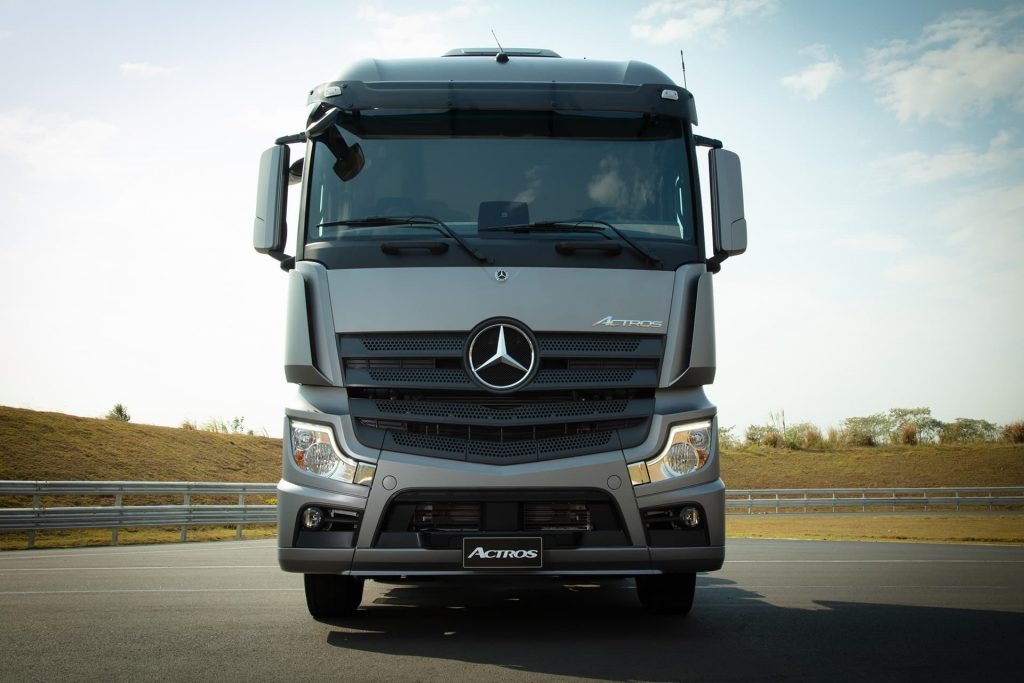
Mercedes-Benz Actros ’19

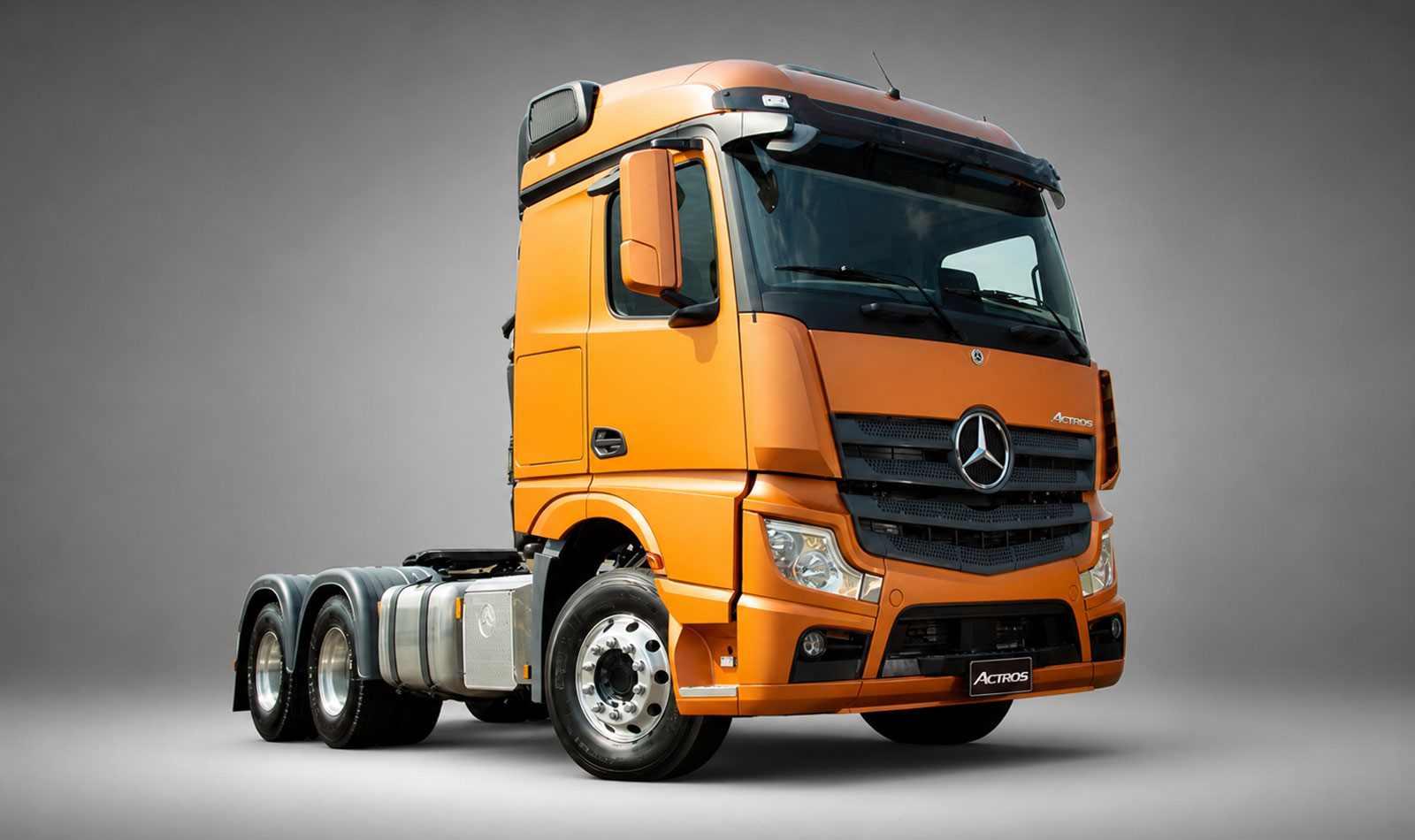
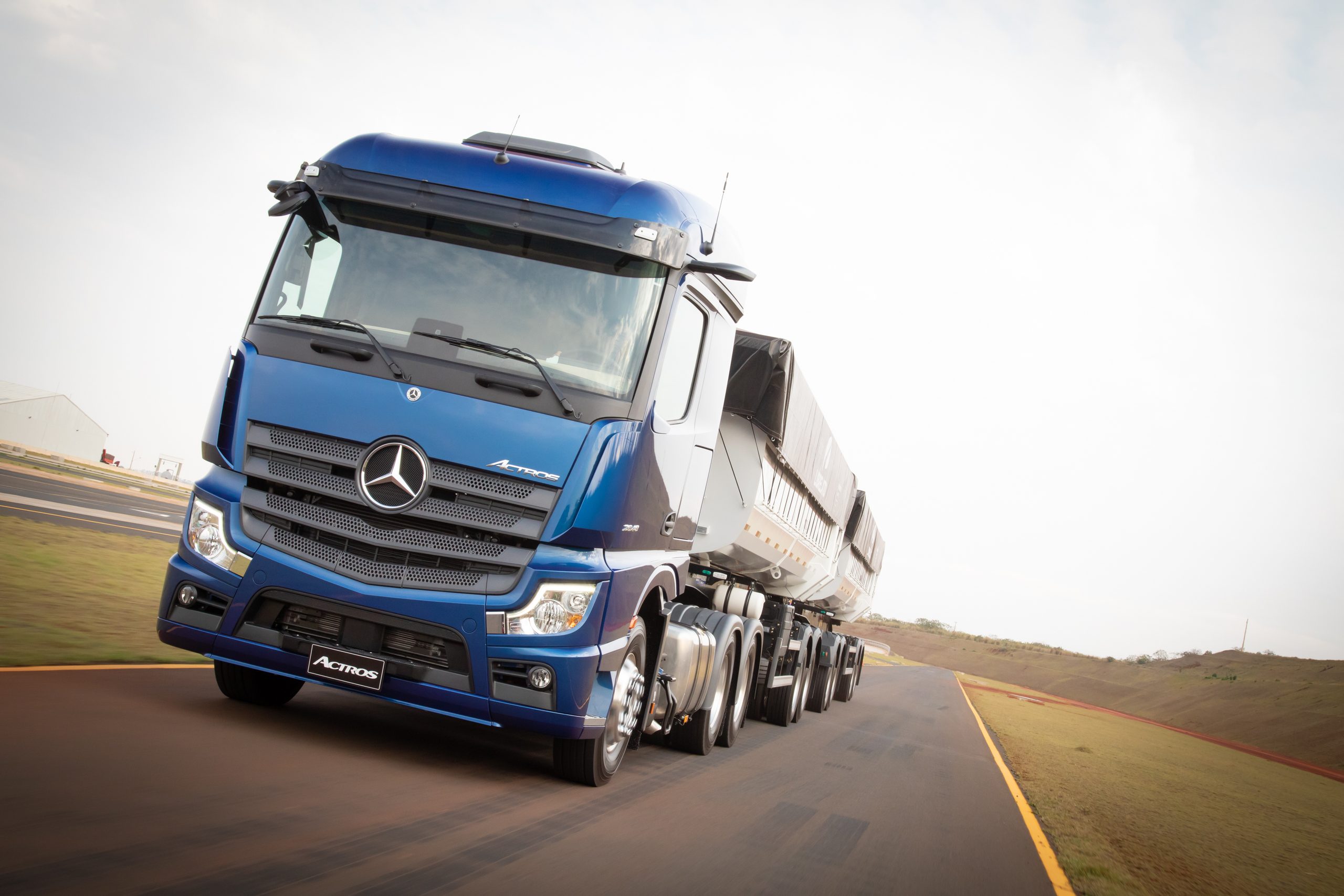
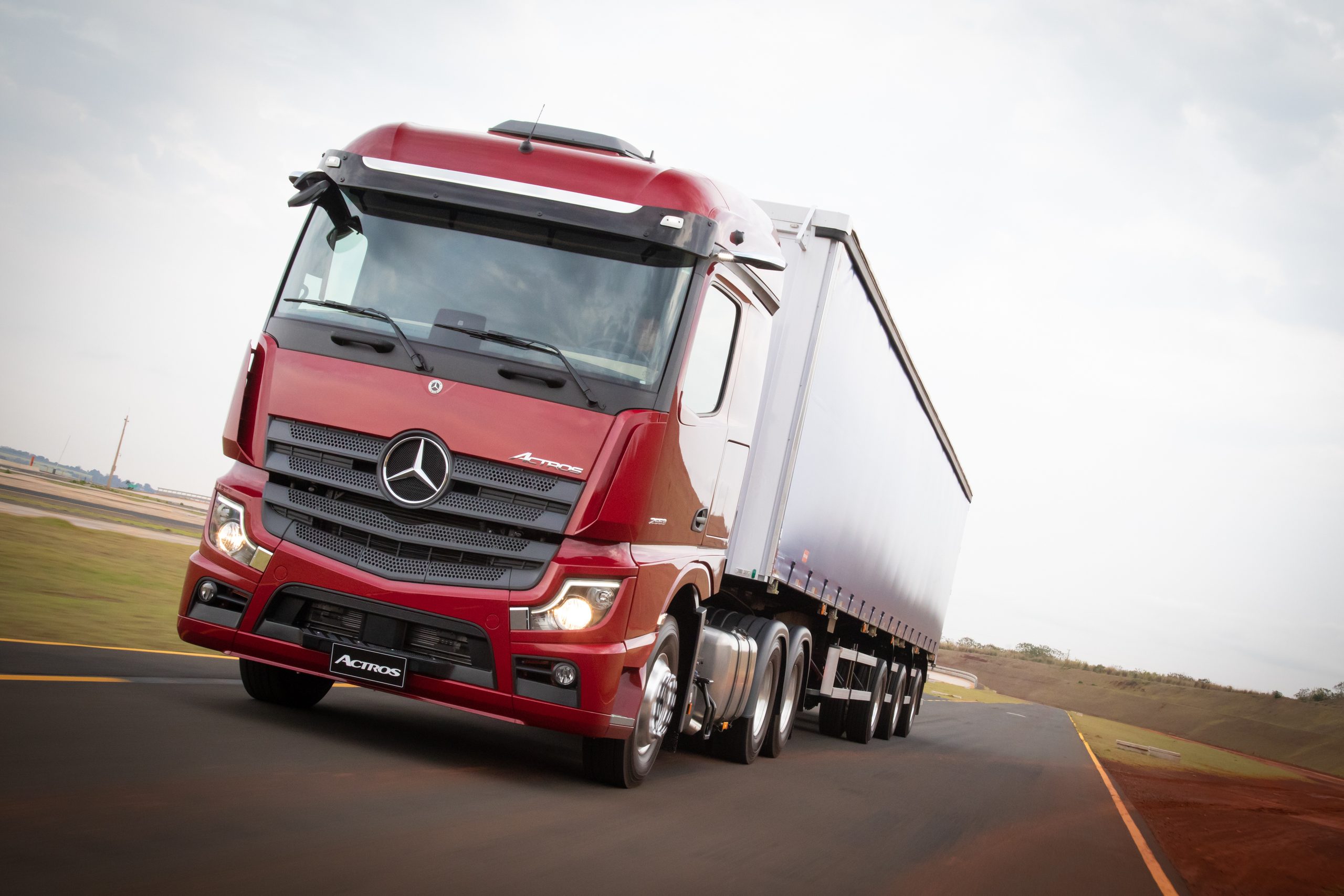
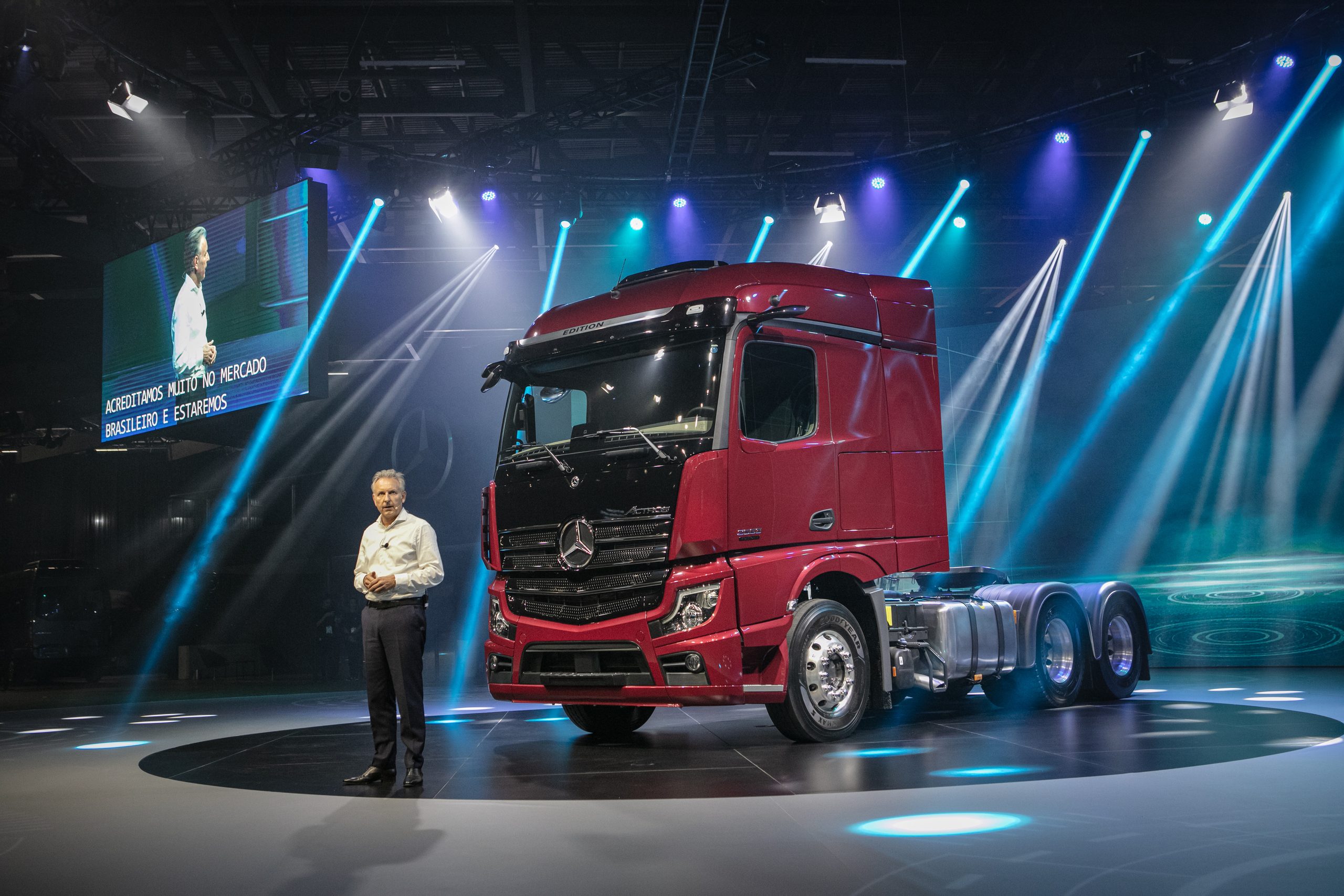
The new-generation Mercedes-Benz Actros was presented in Brazil in September 2019 and publicly launched at the Fenatran show that October. Although based on Mercedes-Benz’s global heavy-truck platform, it was substantially adapted for Brazilian road conditions, with a locally developed cab, reinforced running gear and a powertrain combination tailored to the domestic market.
Mercedes-Benz do Brasil positioned the new Actros as its flagship extra-heavy long-haul tractor and described it as “Brazil’s first digital truck.” It was intended for operators of grain, dry-freight, refrigerated, fuel, chemical, gas and container transport.
The truck was developed over six years, with Mercedes-Benz citing R$1.4 billion of investment and more than four million kilometres of testing. It entered customer deliveries in 2020, after its 2019 debut.
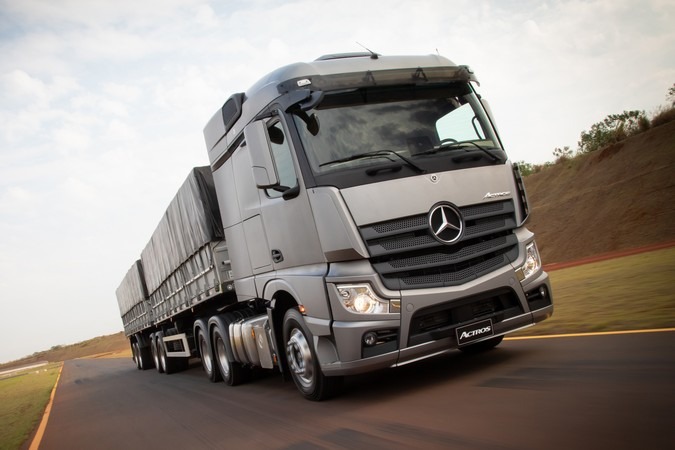
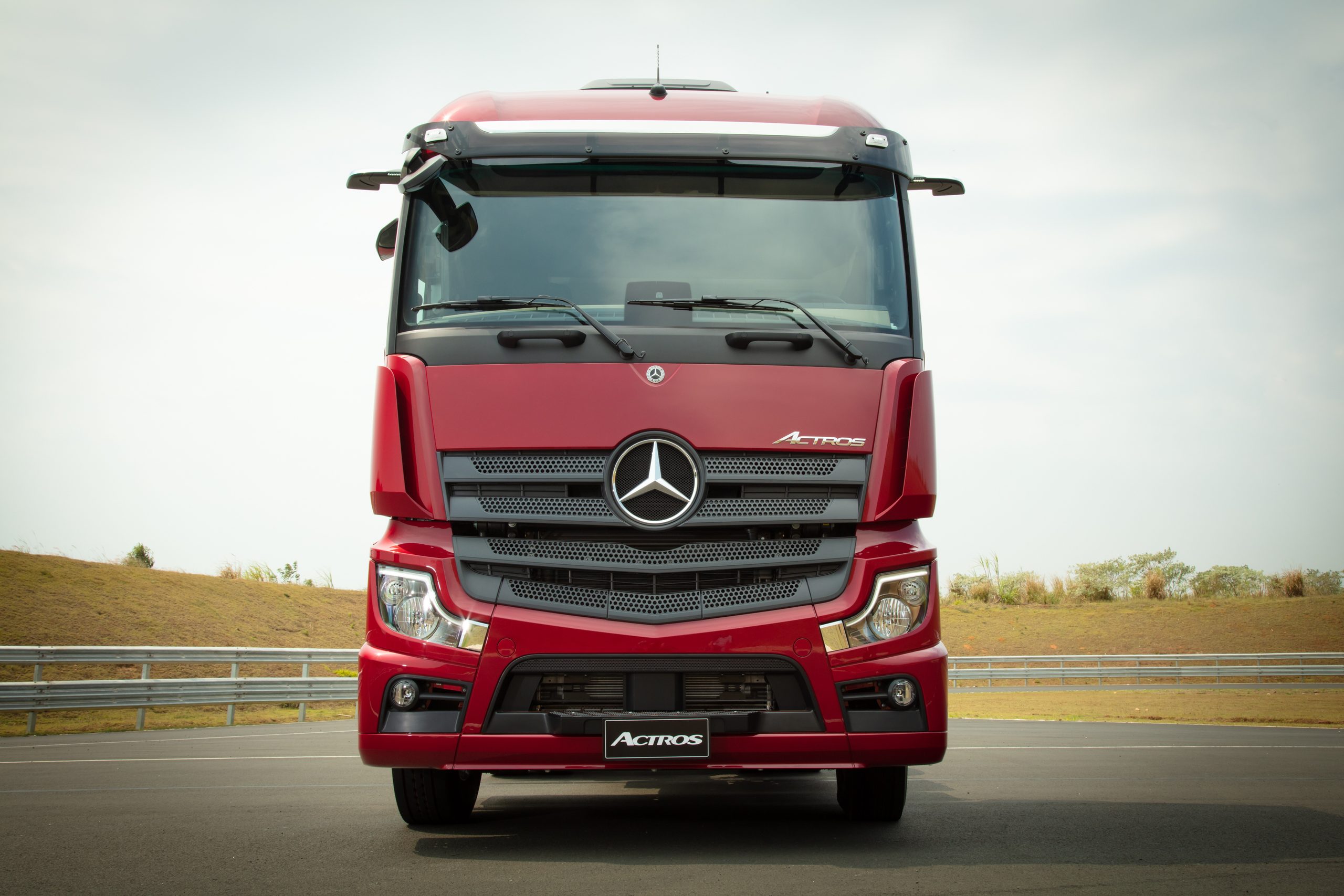
The most important difference from the European Actros was the cab. Mercedes-Benz developed a Brazilian-specific cab with a 2.50 m external width, a 3.635–3.670 m overall height and a 1.84 m internal standing height, taking account of local driver ergonomics and the dimensions of trailers commonly used in Brazil.
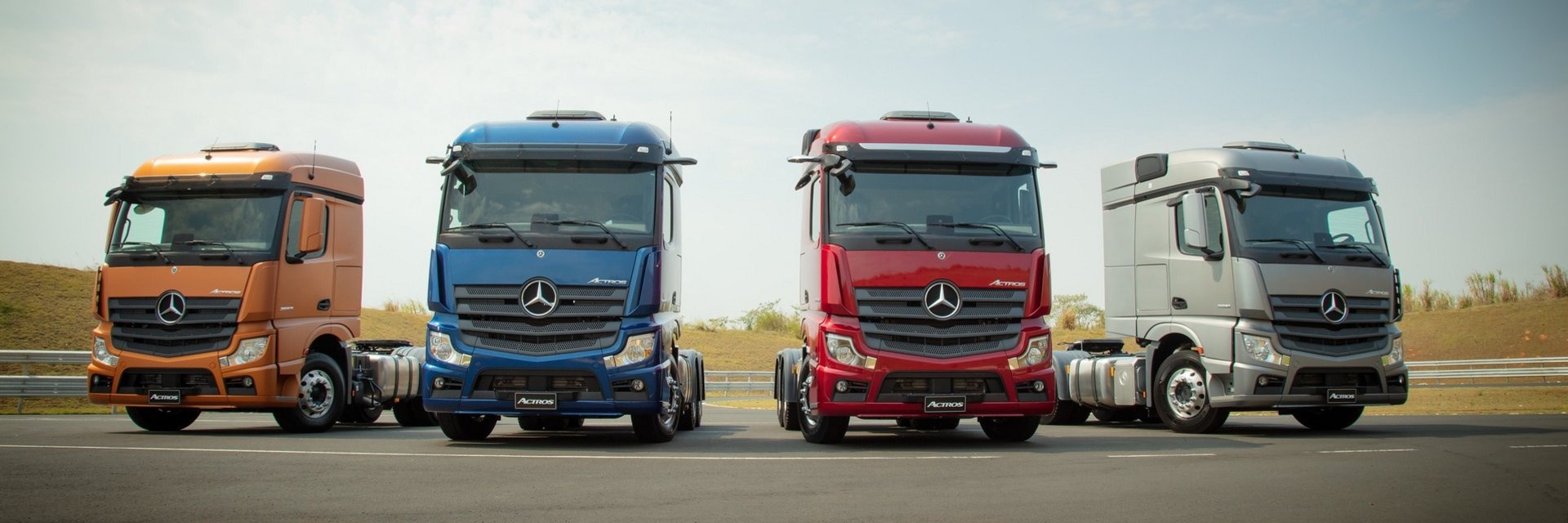
Aerodynamics were also adapted for the local market. The front area was reduced by up to 0.4 m² compared with the European version, while a 730 mm side air deflector improved airflow around the tractor-trailer combination. The design reflected the fact that around 60 percent of Brazilian trailers were said to be approximately 3.70 m high.
At launch, the Brazilian Actros range consisted of three new models plus the established 2651: the 2045 4×2, 2548 6×2 and 2648 6×4. The 2045 was particularly significant because it marked Actros’s first entry into the Brazilian 4×2 tractor segment.
The Actros 2045 used the 12.8-litre OM 460 engine with 449 hp and 2,200 Nm of torque. The 2548 6×2 and 2648 6×4 used the same engine family with 476 hp, while the 2651 6×4 delivered 495 hp and 2,400 Nm.
Later, Mercedes-Benz expanded the range with the 2553 6×2 and 2653 6×4, both equipped with the 13-litre OM 471. This engine produced 530 hp and 2,600 Nm, making it the most powerful option in the Brazilian Actros line-up.
The OM 471 used common-rail X-Pulse injection, six inline cylinders and double overhead camshafts. Its introduction gave Brazilian operators a higher-output alternative to the established OM 460 engines. All versions used the fully automated G291 Mercedes PowerShift 3 12-speed transmission. It offered Economy, Standard and Power driving programmes, with shift strategy calibrated for fuel efficiency.
The key efficiency feature was Predictive Powertrain Control, or PPC. Using GPS and route data, it anticipated gradients and adjusted acceleration, braking and gear selection to reduce unnecessary fuel consumption.
Mercedes-Benz claimed fuel savings of up to 12 percent compared with the previous Brazilian Actros. The manufacturer also stated that the new truck was up to 400 kg lighter, while maintenance-related costs could fall by up to R$6,000 per year and scheduled downtime by up to 50 percent.
The Brazilian Actros retained a strongly reinforced chassis concept for demanding domestic operations. A notable feature was the Global TufTrac steel suspension, developed to be lighter and more robust while improving payload capacity and service life.
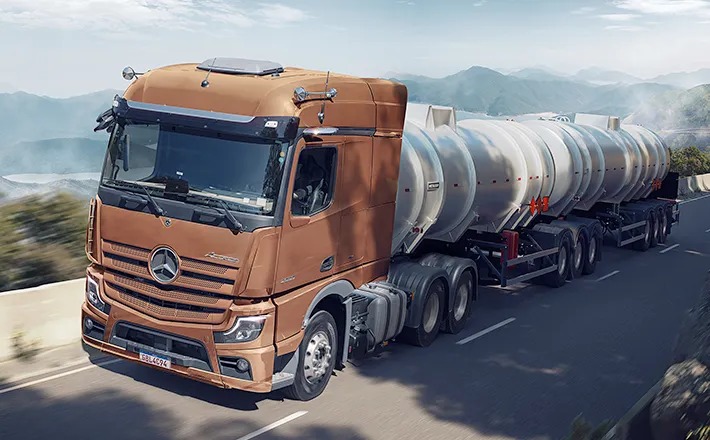
For 6×4 versions, Mercedes-Benz offered the Disconnected Liftable Tandem, or DLT, system. It raised the rearmost driven axle when empty, reducing tyre wear and, where applicable, toll costs; it was available with air suspension and drum brakes.
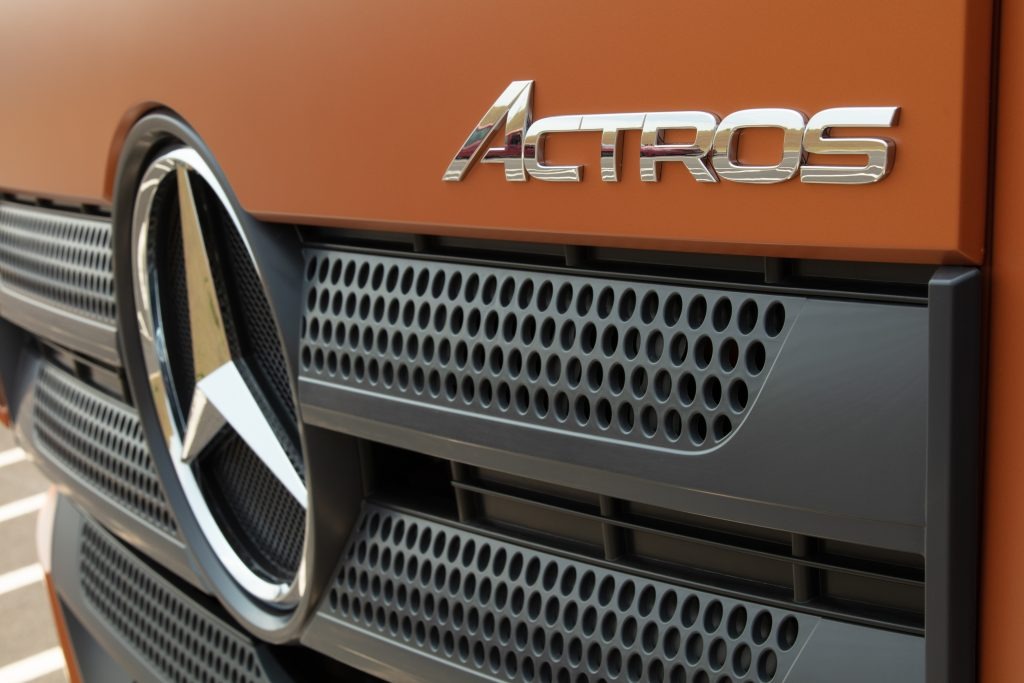
Other durability measures included a new lighter rear axle, called New Final Drive, revised differential lubrication management and extended oil-change intervals. A three-piece front bumper, deformable spoiler and vertical cyclonic air intake were intended to improve impact resistance and air filtration on dusty roads.
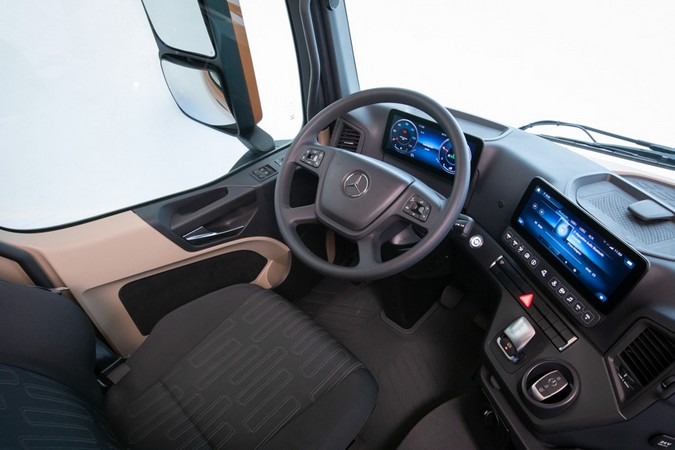
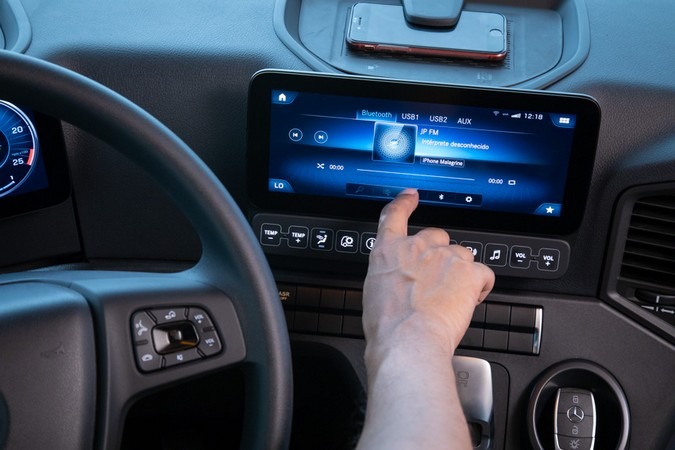
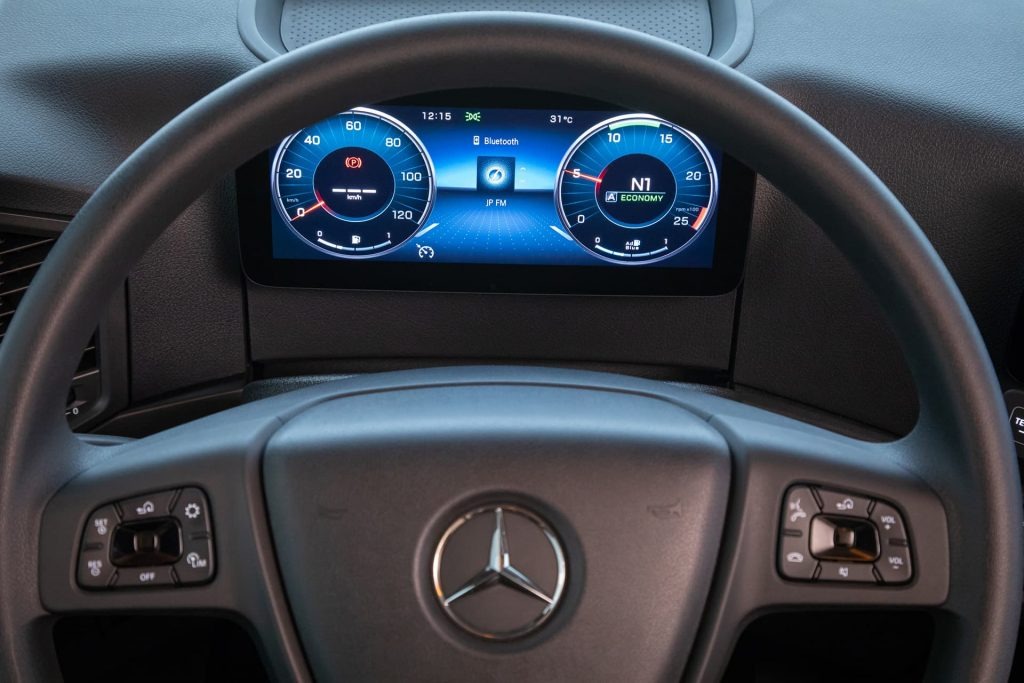
Inside, the Actros received a major digital upgrade. It had two interactive displays, a multimedia screen and a multifunction touchscreen, with smartphone mirroring and wireless charging. Mercedes-Benz described this combination as a Brazilian first for heavy trucks.
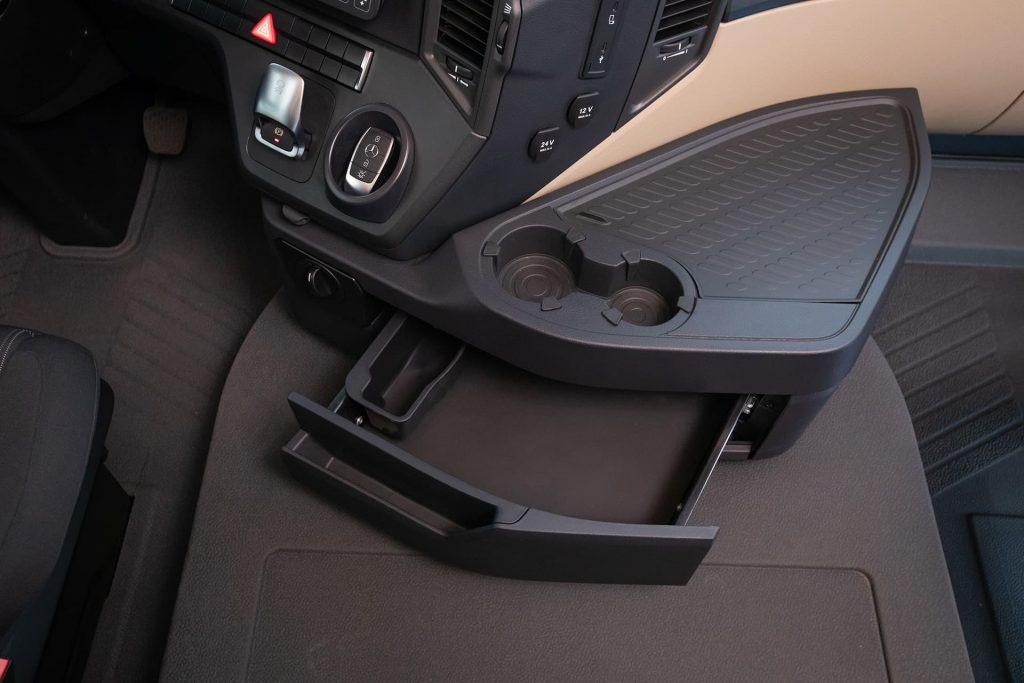
Driver comfort equipment included a multifunction steering wheel, electronically keyed lighting check, seats with 15 adjustments, Bluetooth connection for two phones, digital air conditioning with an eight-hour night mode, multicolour LED lighting and a 25-litre refrigerator. The sleeper berth measured 2.20 m long and 75 cm wide, increases of 10 cm and 15 cm respectively.
The optional MirrorCam replaced conventional exterior mirrors with cameras and interior displays. Mercedes-Benz said this improved visibility, handling and aerodynamics, although it was offered as an option rather than standard equipment on every Brazilian version.
The new Actros arrived with a comprehensive active-safety package. Its centrepiece was the fifth generation of Active Brake Assist, ABA 5, which could automatically brake the truck; Mercedes-Benz promoted the Brazilian version as the first series-production truck in the country able to brake autonomously for pedestrians.
Other systems included Blind Spot Assist, Attention Assist, Electronic Stability Programme, Proximity Control and Lane Keeping Assist. These technologies used radar, sensors and cameras, bringing several features associated with Mercedes-Benz’s future autonomous-truck programme into a production Brazilian tractor.
Connectivity was central to the Brazilian Actros concept. Mercedes-Benz paired the truck with Uptime fleet-support services, the Habbl logistics platform, Total Mobility consultancy and driver-oriented applications including Liga nas Estradas, Jornada do Motorista and Vehicle Lens.
These services were designed to support route and driver management, vehicle inspection, maintenance planning and fleet operation. In Mercedes-Benz’s positioning, the Actros was therefore not only a tractor but part of a connected transport ecosystem.
The 2019 Actros marked a major generational change for Mercedes-Benz in Brazil. It combined the global fourth-generation Actros architecture with local engineering choices, including a purpose-designed cab, robust steel-suspension options, high-GVW configurations and a powertrain suited to Brazilian long-distance and heavy-haul operations.
Its introduction also expanded the range downward into the 4×2 segment while adding a 530 hp flagship option. In doing so, it gave Brazilian fleets a broader Actros line-up spanning 449 to 530 hp and configurations from 4×2 long-haul tractors to 6×4 heavy-haulage models.
Brochures