Russia:
1962 -
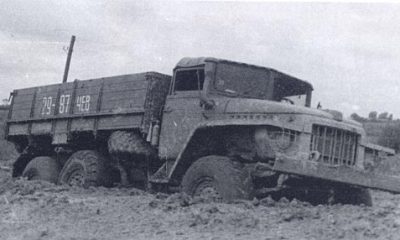
p.t.In the autumn of 1941 the engine shops and some other departments of the Moscow Stalin Automobile Plant (ZIS) were evacuated to the Ural town of Miass. Production of engines and gearboxes began there in April 1942, and on 8 July 1944 the first ZIS-5V trucks were built under the name UralZIS-5. The new plant thus became the Urals branch of ZIS and was named UralZIS after Stalin.
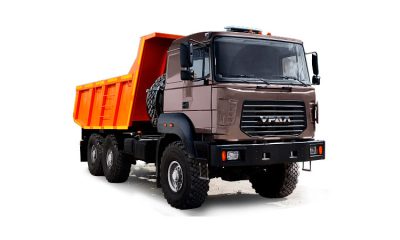
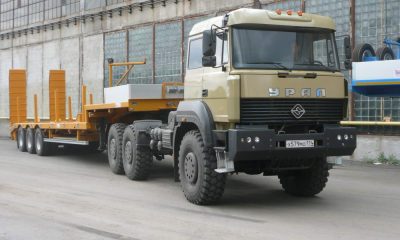
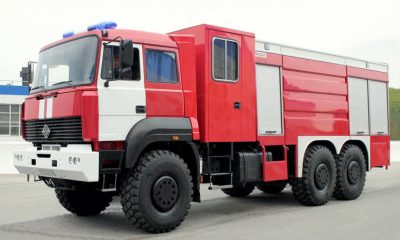
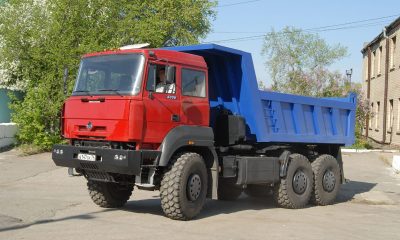
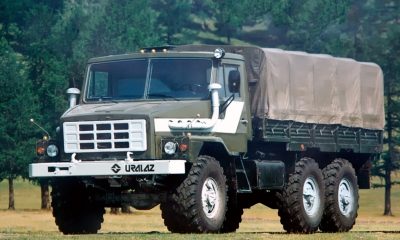
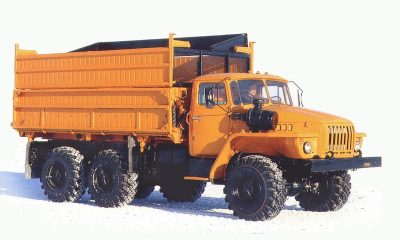
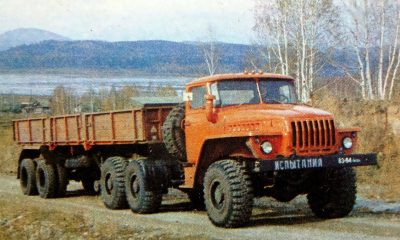
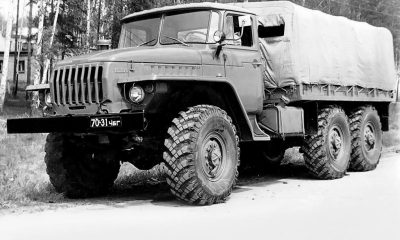
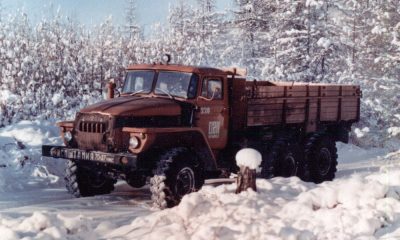
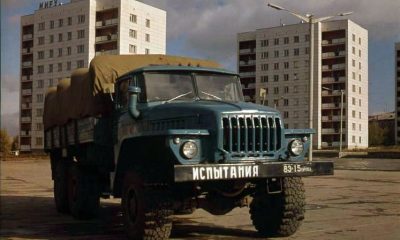
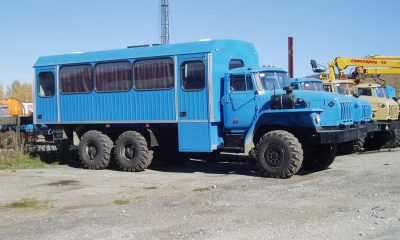
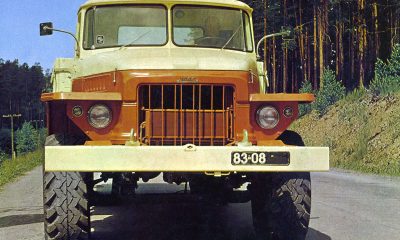
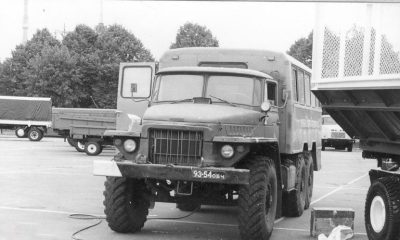
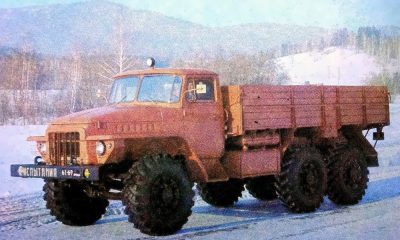
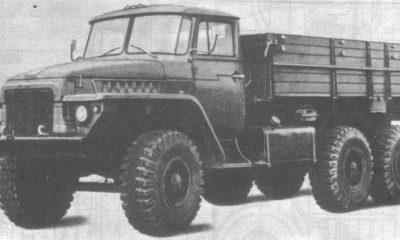
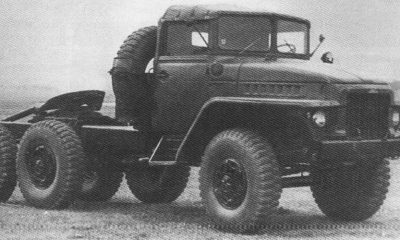
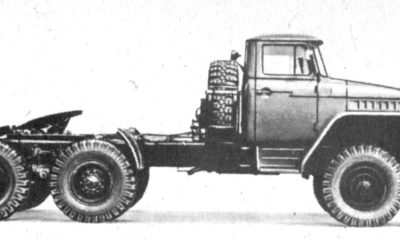
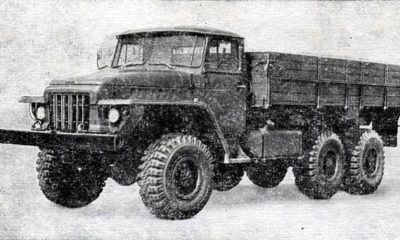
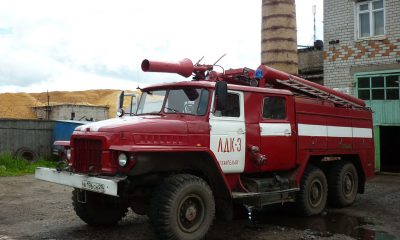
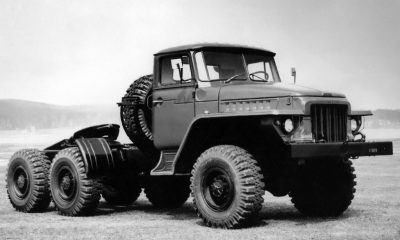
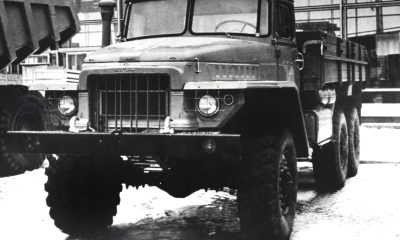
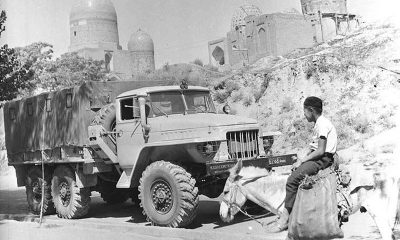
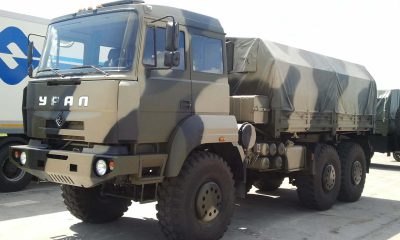
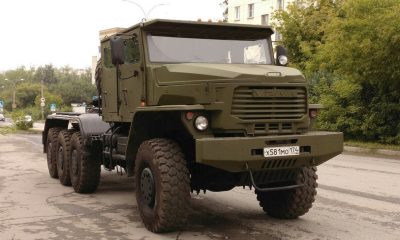
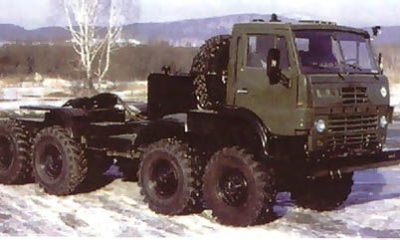
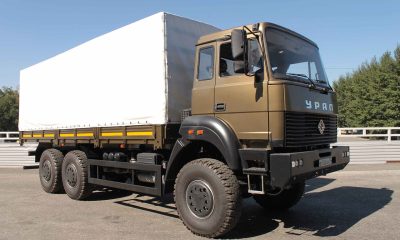
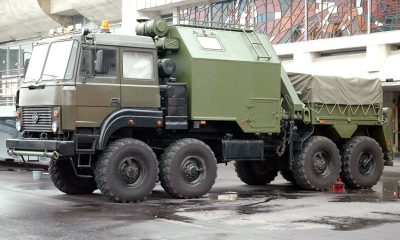
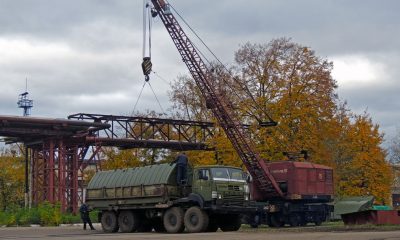
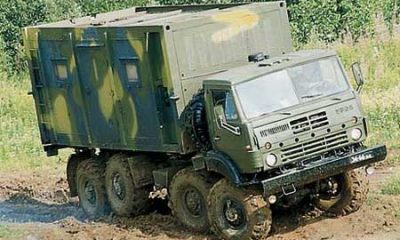
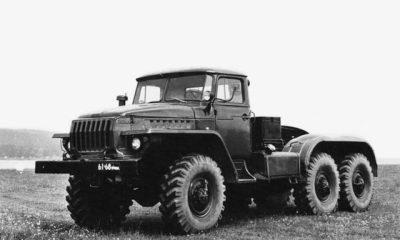
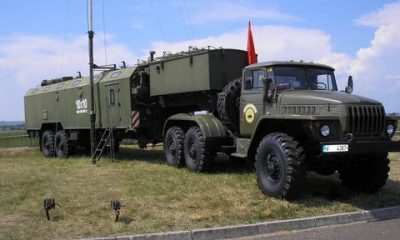
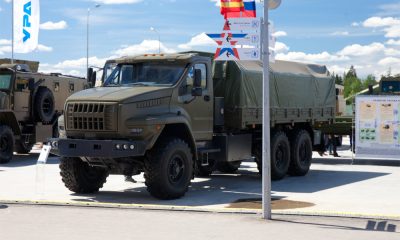
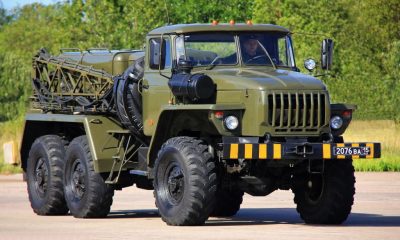
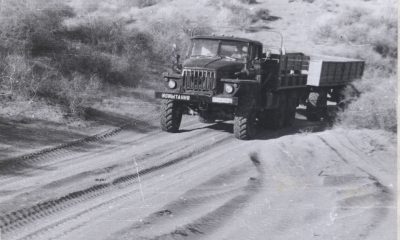
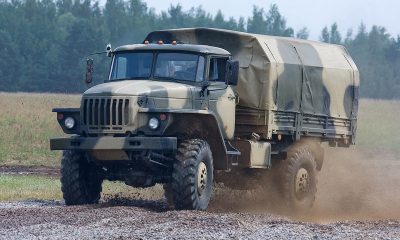
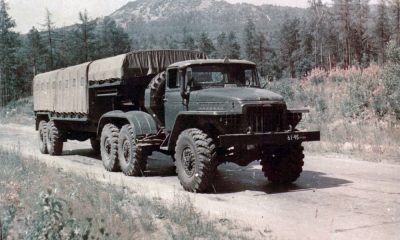
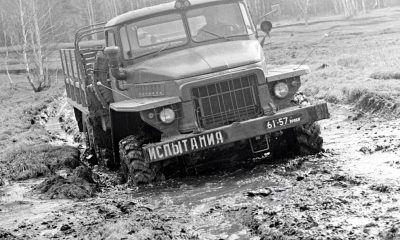
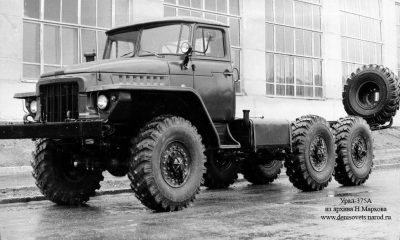
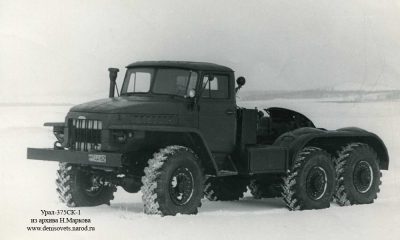
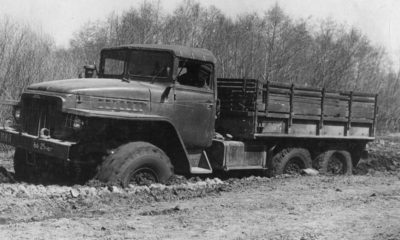
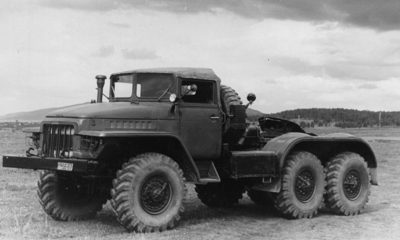
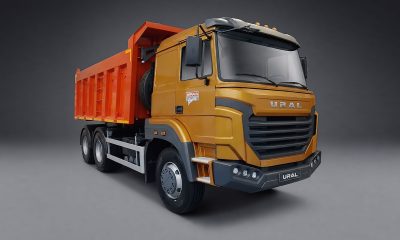
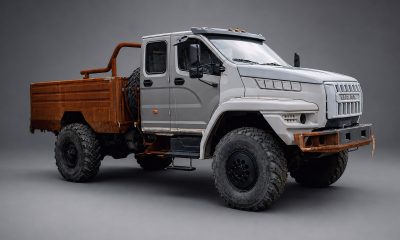
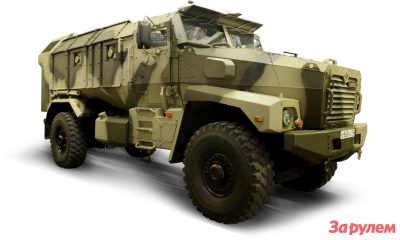
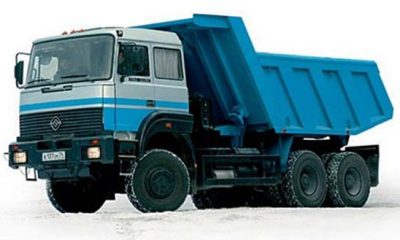
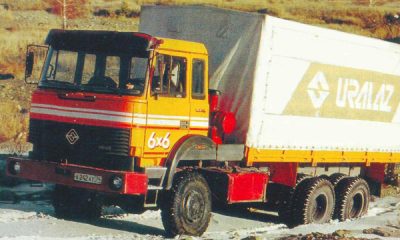
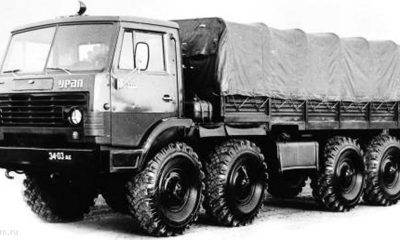
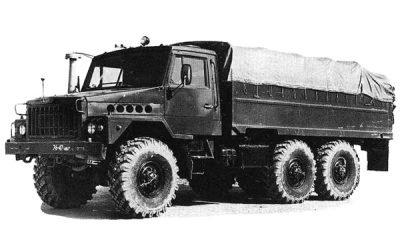
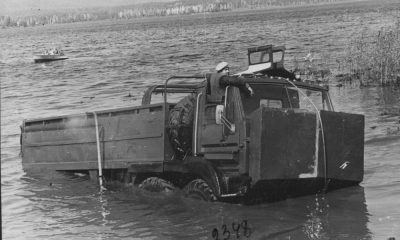
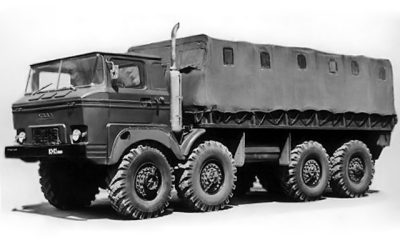
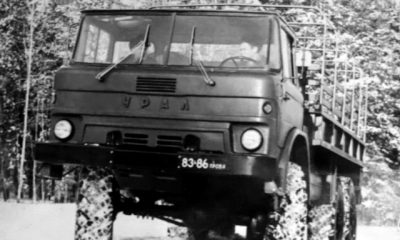
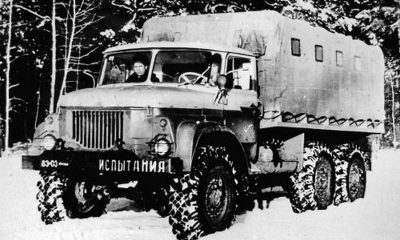
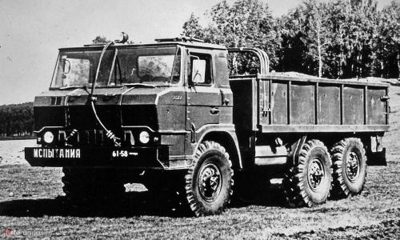
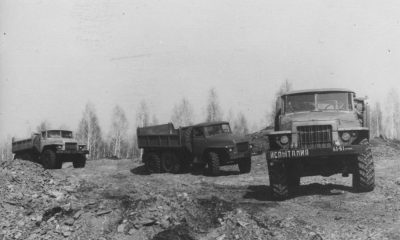
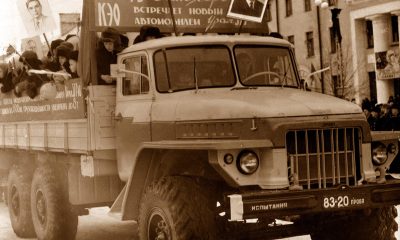
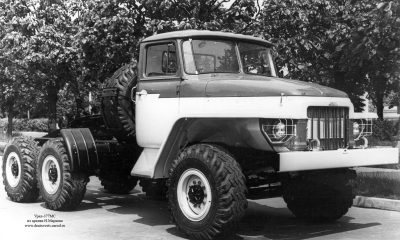
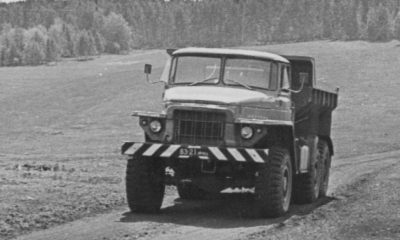
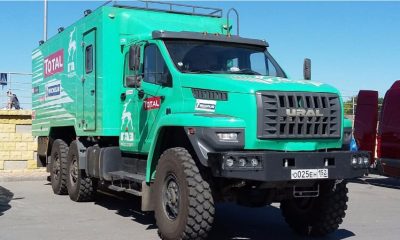
Meanwhile, the Moscow Scientific Automotive Institute (NAMI) was working on a new three-axle all-wheel-drive truck. The Miass plant was renamed the Ural Automotive Plant (UralAZ), and its products received a new brand, Ural. In the early 1960s the plant was reconstructed, and from 1961 it began series production of a fundamentally new 5-tonne (11,023 lb) 6×6 all-wheel-drive truck, the Ural-375, intended for the army and the national economy.
The 1960s were the most successful decade in UralAZ history, when the foundations of all its later products were laid. In August 1967 the plant was awarded the Order of the Red Banner of Labour. By then it had built 530,000 vehicles and 1.3 million engines. In 1987 UralAZ produced its one-millionth vehicle.
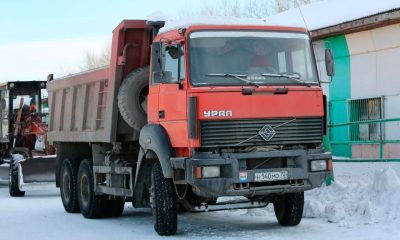
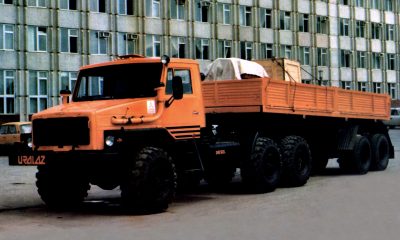
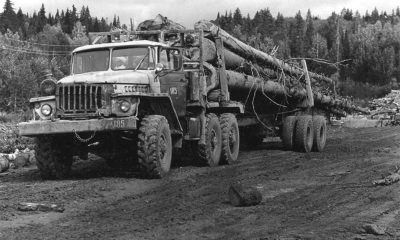
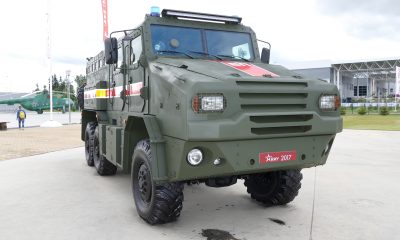
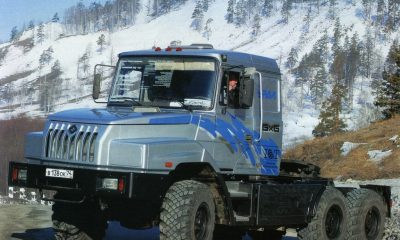
Perestroika and the economic reforms forced the plant to switch mainly to civilian products. A major fire at the KamAZ engine plant in spring 1993 seriously hit UralAZ and made it look urgently for other engine suppliers. At first most vehicles were fitted with Yaroslavl YaMZ-236M2 V6 diesels.
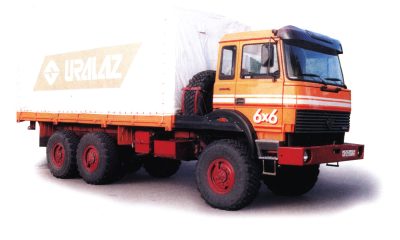
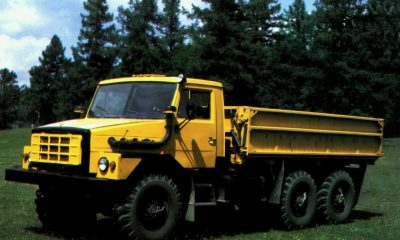
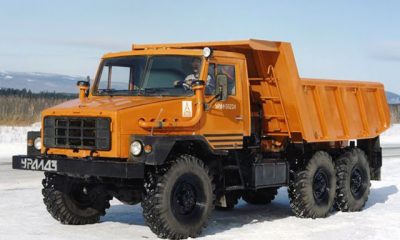
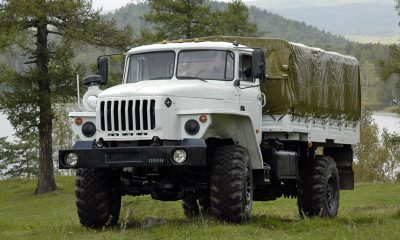
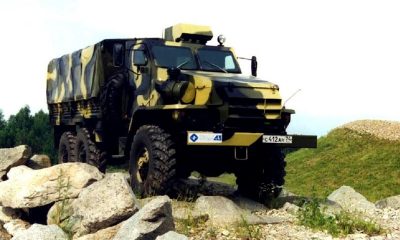
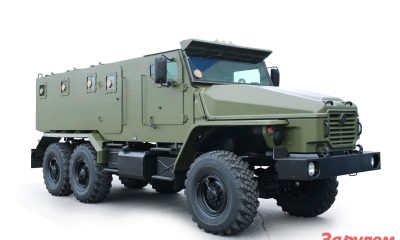
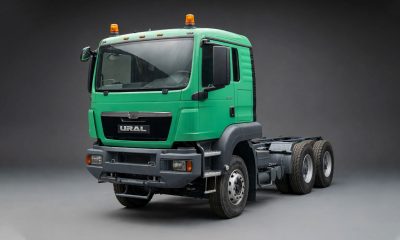
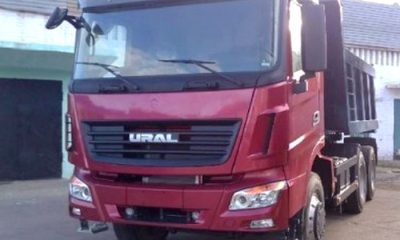
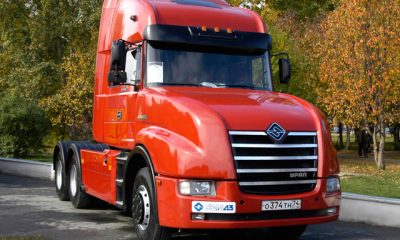
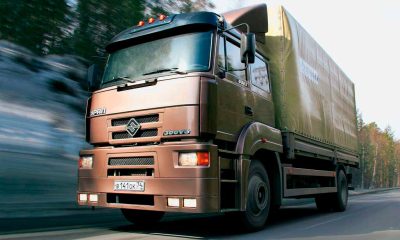
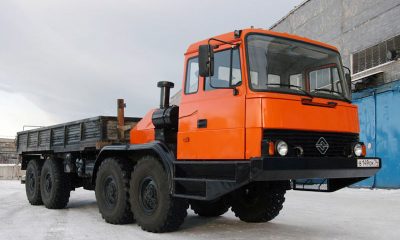
In 1992 UralAZ, which had traditionally relied on Russian suppliers only, began cooperation with the international IVECO group. The IVECO-UralAZ joint venture, set up in 1994, started small-series production of a range of trucks from a mix of imported and domestic components. From 1997 it built cab-over-engine cabs previously used on IVECO trucks, which allowed several new cab-over models to be added to the Ural range. In 2001 UralAZ became part of the machine-building holding RusPromAvto (today the GAZ Group).
Read more