USA:
1923 -
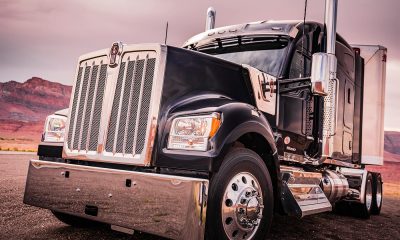
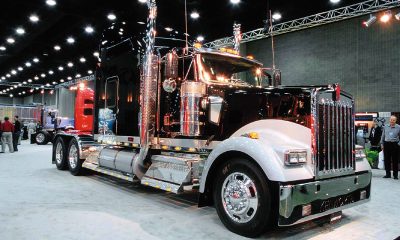
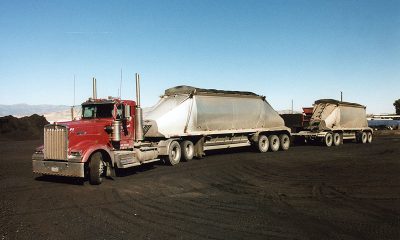
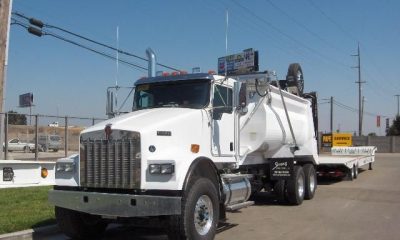
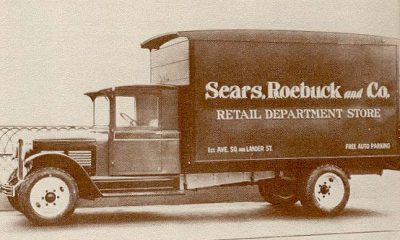
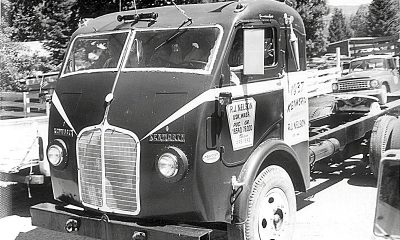
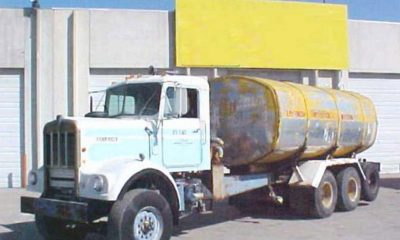
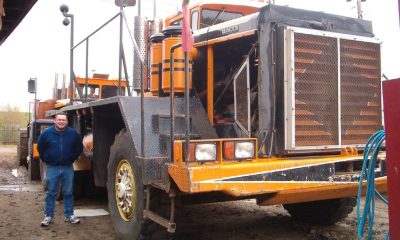
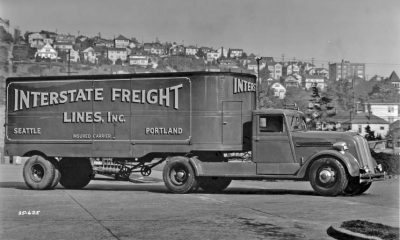
p.t.The history of Kenworth began with the sturdy, simple Gersix trucks built by the small Gerlinger company in Seattle, Washington. In 1922 its main shareholders Harry Kent and Edgar Worthington bought the firm and named it Kenworth, from the first letters of their surnames (KW). The company's location in the remote, forested north-western corner of the country left its mark on the trucks: they had a massive, strong wood-and-metal frame and wide wheels with balloon tyres, and their design is said to have been borrowed from loggers' wagons. From 1927 three trucks were built every day. The first Kenworths differed little from each other, with only different engine powers and wheelbases.
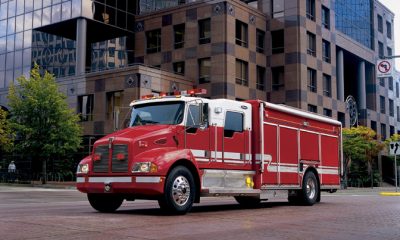
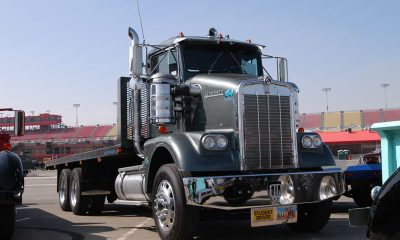
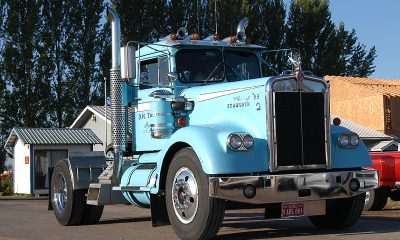
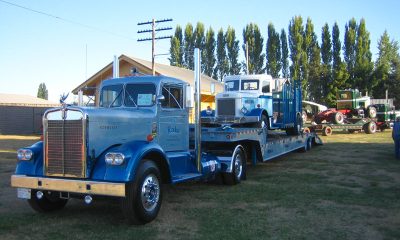
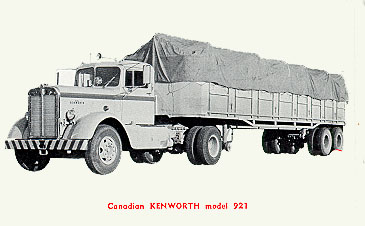
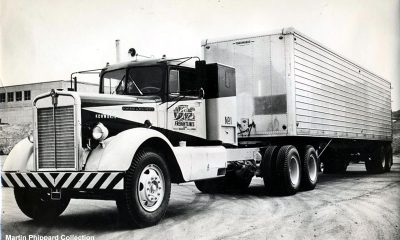
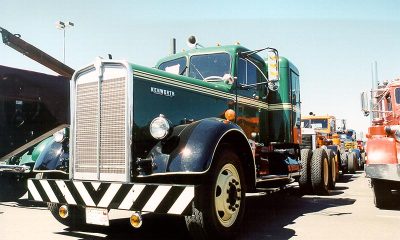
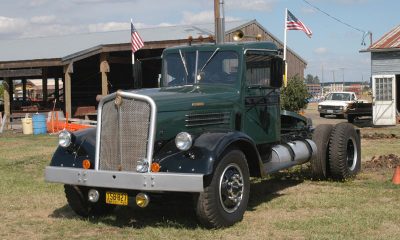
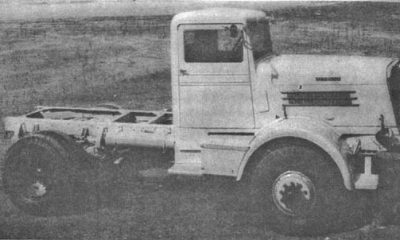
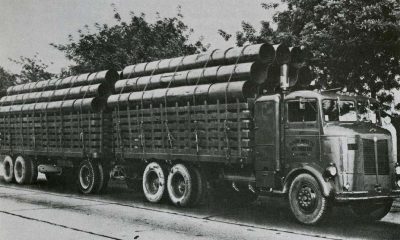
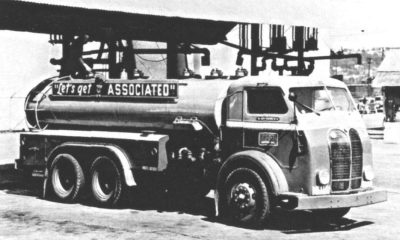
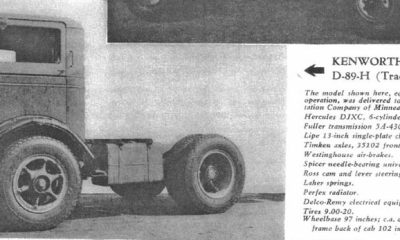
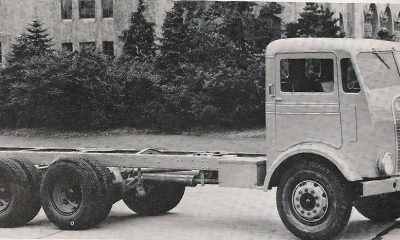
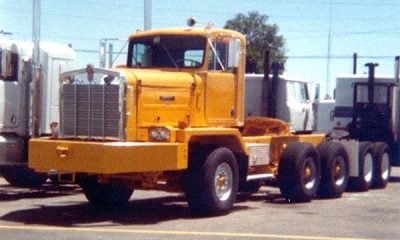
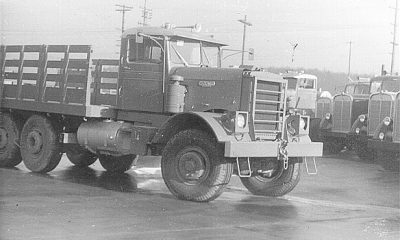
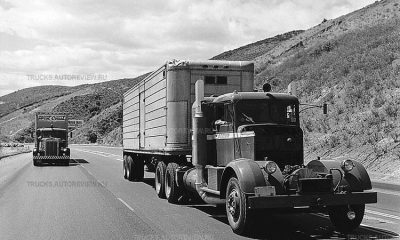
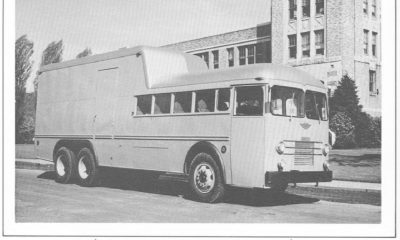
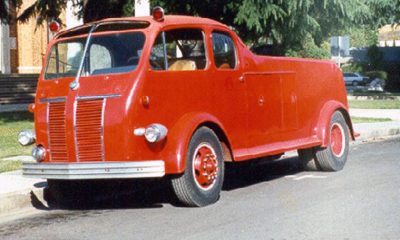
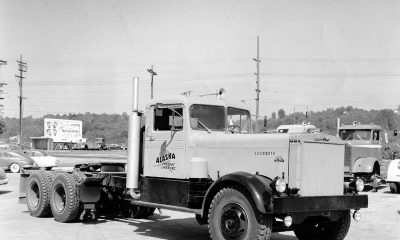
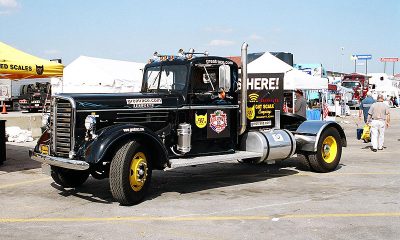
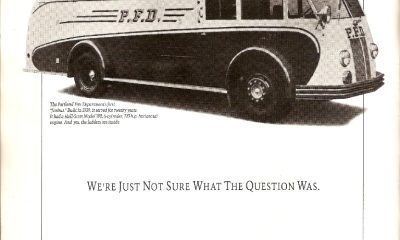
The Great Depression forced Kenworth to rethink its production programme and look for its own path, different from its competitors. In 1932 it built open fire engines and city delivery vans, and from 1933 it began using Cummins diesels. A new plant in Vancouver, Washington, made the company the largest US maker of economical diesel trucks. In the second half of the 1930s Kenworth switched almost completely to heavy three-axle trucks (6×2 or 6×4), widely using aluminium, including for the frame and cab. This expensive choice was driven first of all by local axle load regulations. Since then every truck has been built to the individual customer's requirements, assembled by hand from purchased and own units and tested repeatedly, which became the basis of its high quality. In 1940 Kenworth built 226 vehicles, which carried an original wide flat-radiator grille used for the next 40 years.
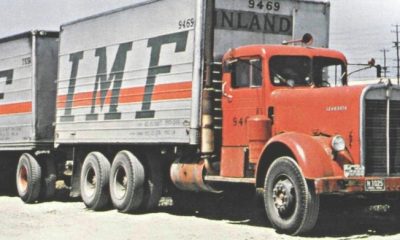
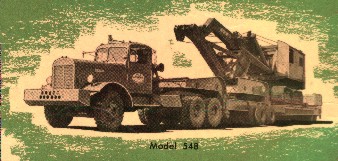
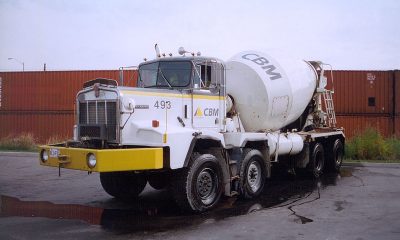
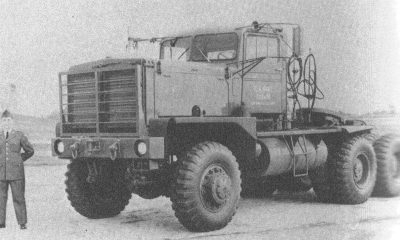
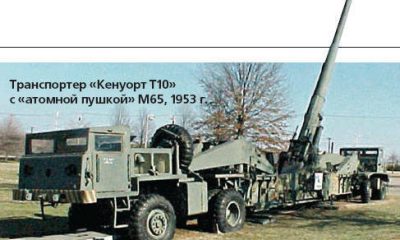
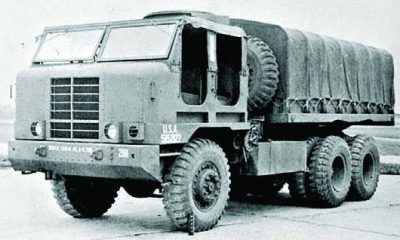
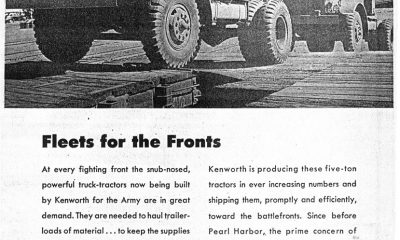
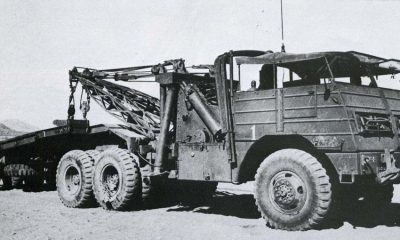
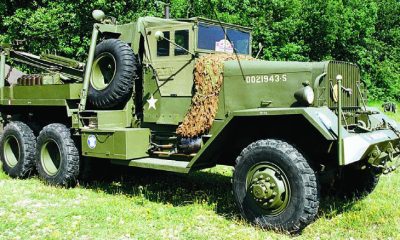
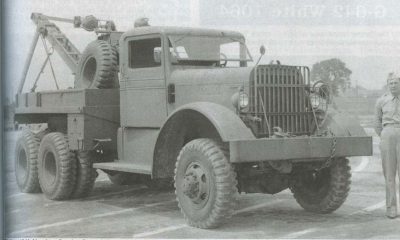
With the start of World War II the company built trucks under licence from Ward LaFrance, 2,000 of them by the end of the war. In 1944 it became part of the Pacific Car and Foundry Co., later known as Paccar. After the war, in 1946, it built 705 vehicles. In 1952 output exceeded 1,000 chassis and exports reached 40%. By the mid-1950s, however, Kenworth had lost the remains of its independence and become a PACCAR subsidiary. This allowed branches to be opened in Canada and Mexico and new plants built in the USA (Kansas City and Chillicothe) with a total capacity of 16,000 chassis, but also led to a sharp cut in the model programme.
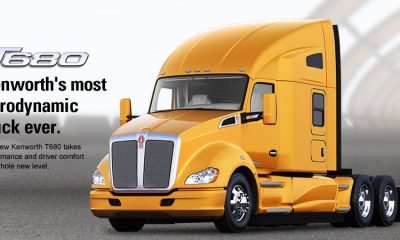
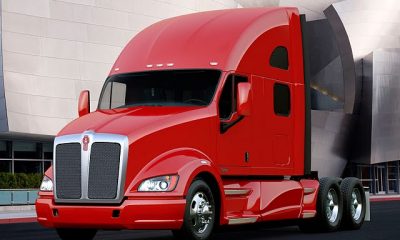
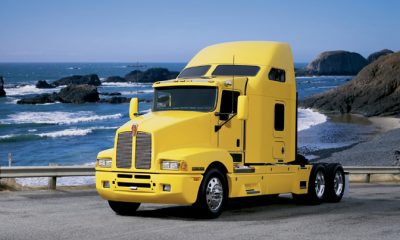
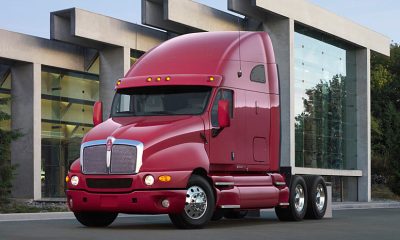
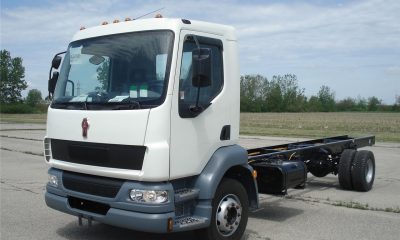
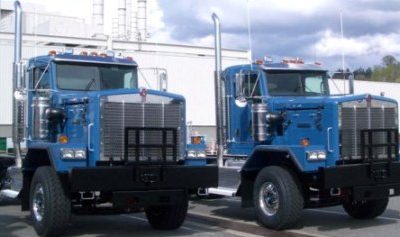
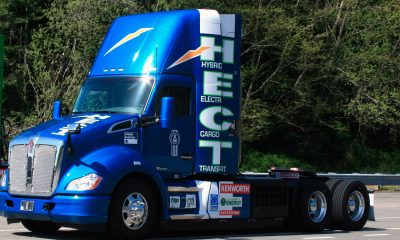
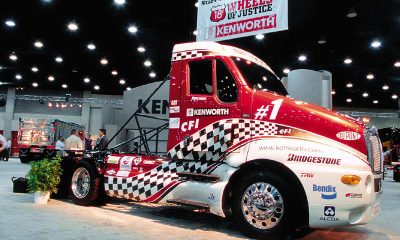
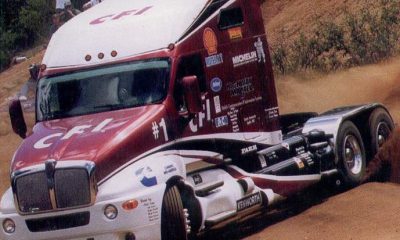
In 1985 the new bonneted "aerodynamic" T600A series started a styling revolution among heavy trucks in the USA. The market appreciated it: 11,830 T600A trucks were sold in 1985. In 1996 the most comfortable long-haul tractor, the T2000, was launched, with a wedge-shaped hood, a streamlined cab and a 1,905 mm (75 in) sleeper made as a single unit. In 1999 Kenworth passed the 30,000 mark for the first time in its history, building 30,663 trucks.
Read more