Volta
Commercial
Volta Zero

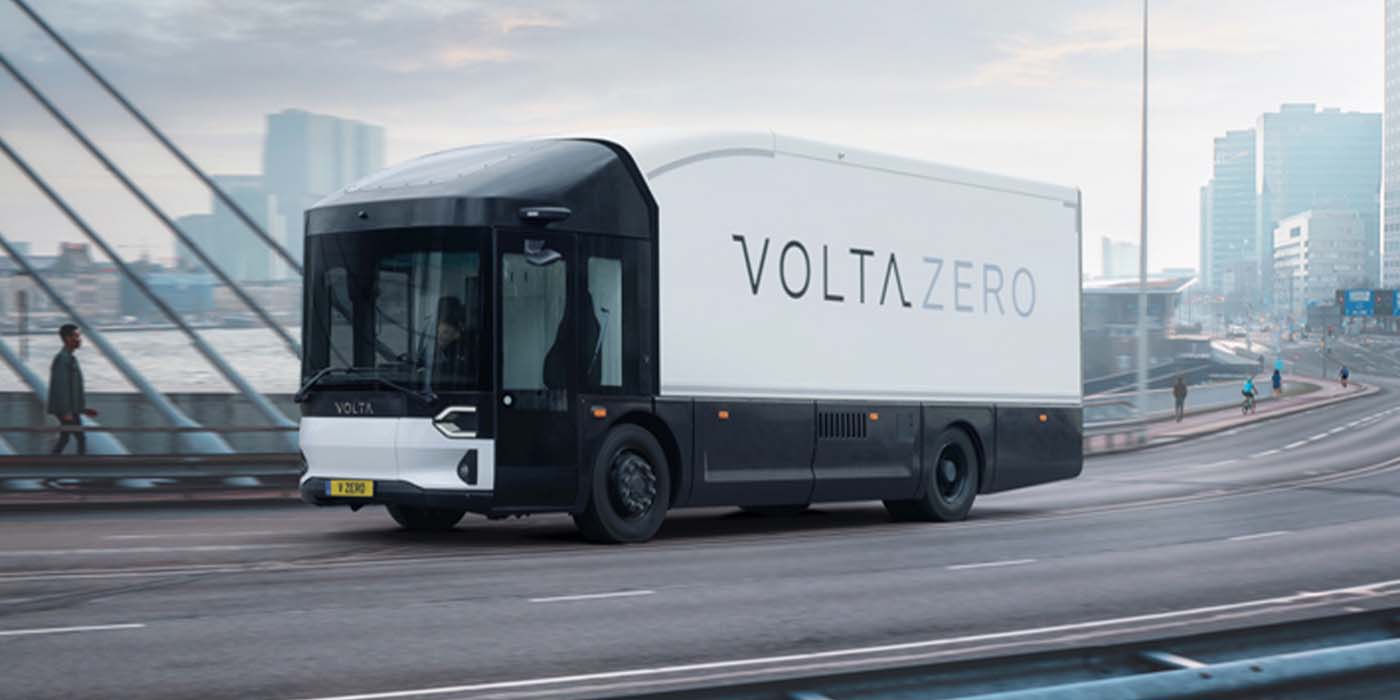
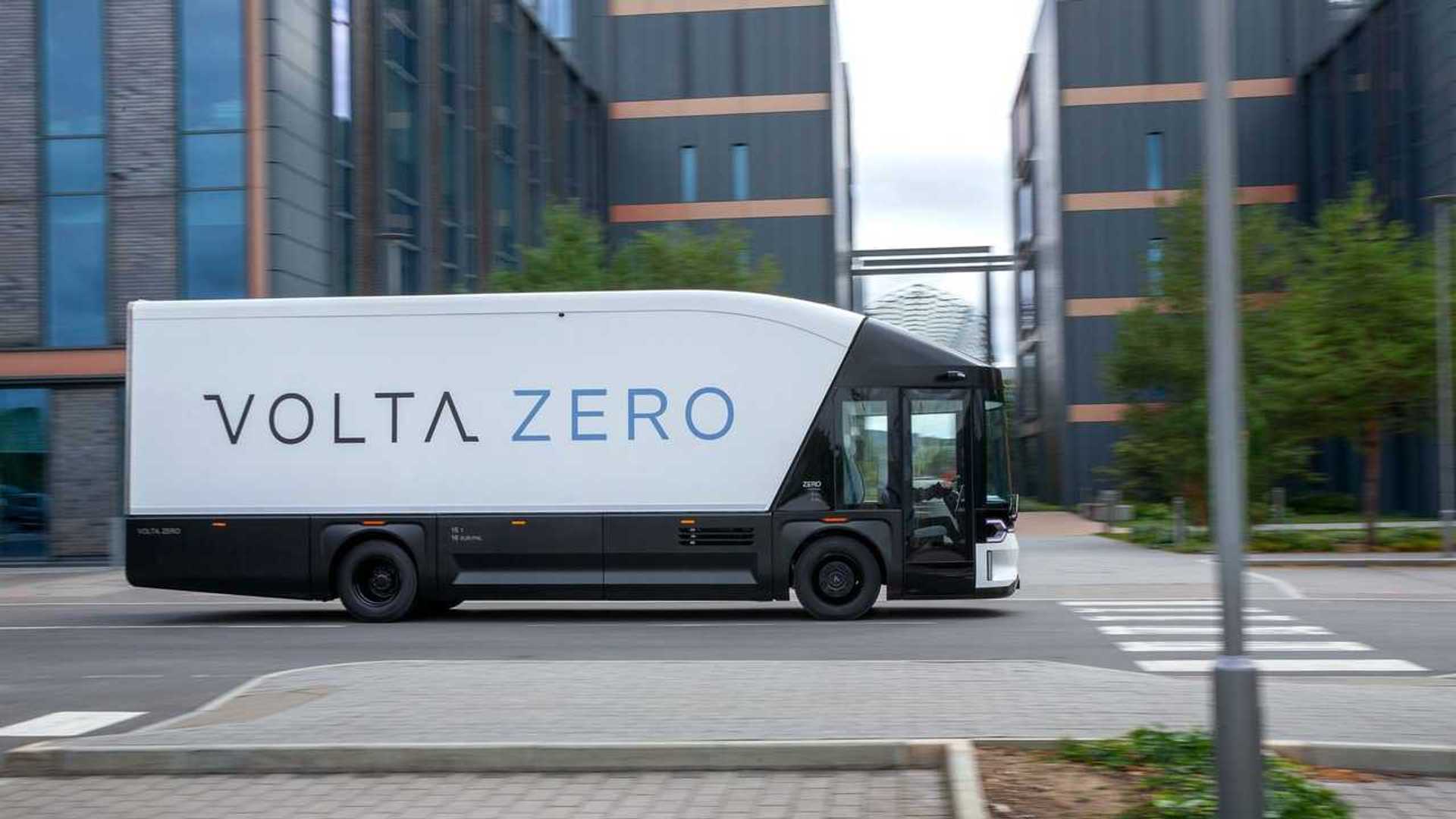
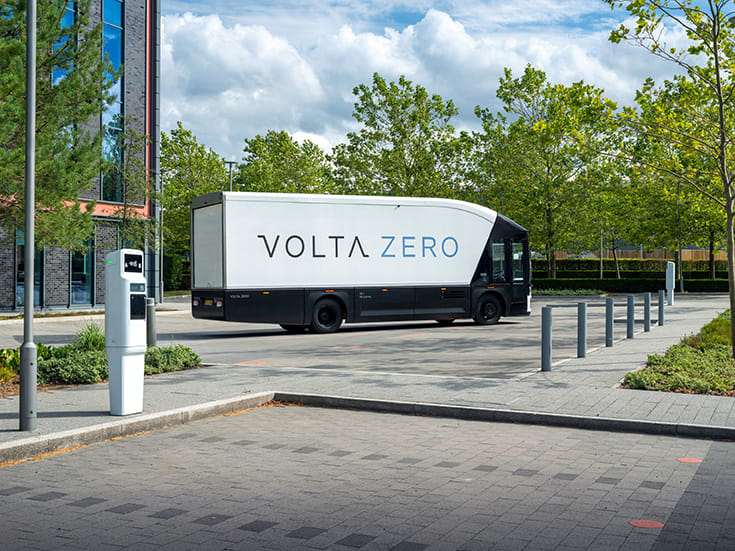
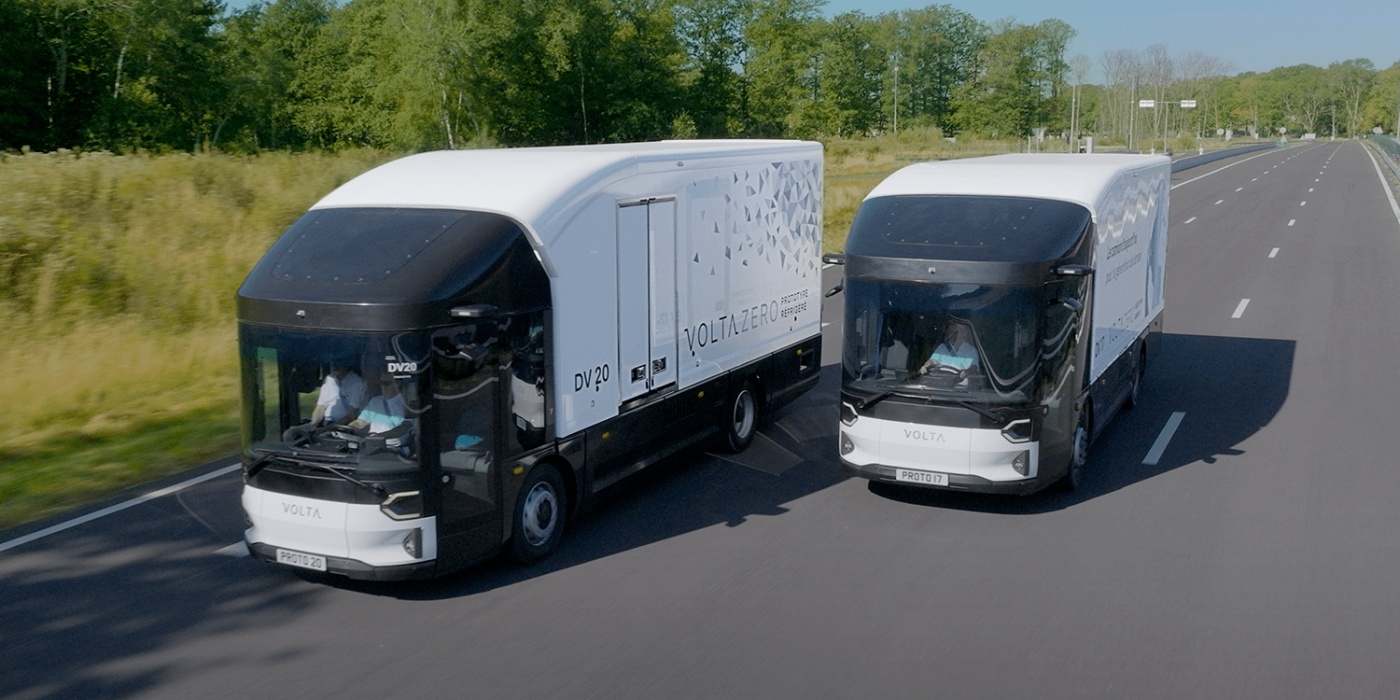
The Volta Zero is a fully electric 16-tonne distribution truck designed for inner-city freight. It was developed by Volta Trucks, a start-up founded in 2019 in Sweden with its engineering base in the United Kingdom, and was revealed in September 2020 as what the company called the first purpose-built full-electric large commercial vehicle.
Volta first showed the idea in November 2019 at the Freight in the City expo at Alexandra Palace in London, where it presented a truck concept with a driver seat in the centre of the cab and sliding doors on both sides. Carl-Magnus Norden, the founder and CEO at the time, said that “HGVs are a significant contributor to pollution in urban areas”. The company said that the electric drive would cut noise by about 50 percent compared with diesel trucks, which could allow deliveries at night and at weekends in residential areas.
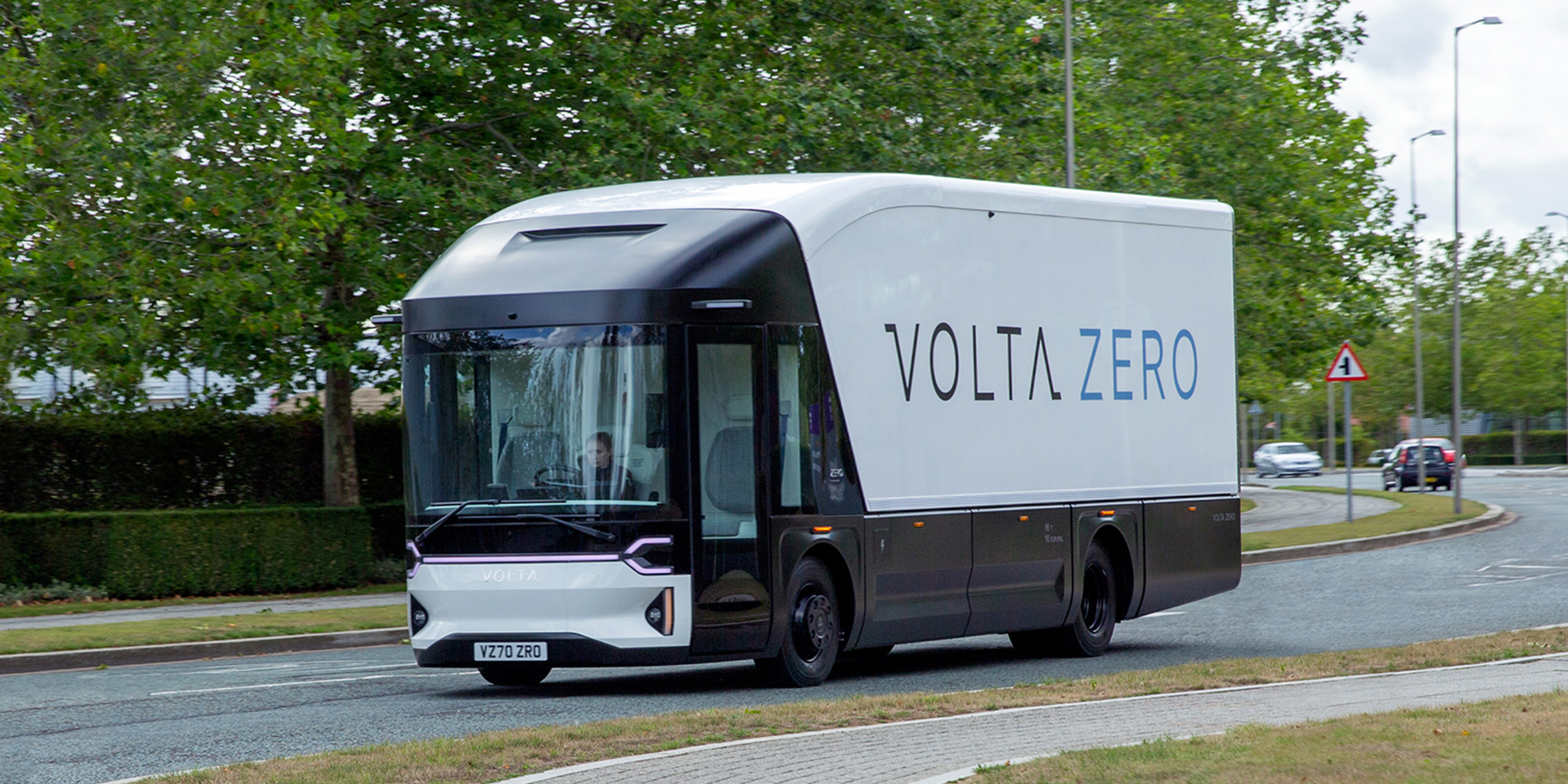
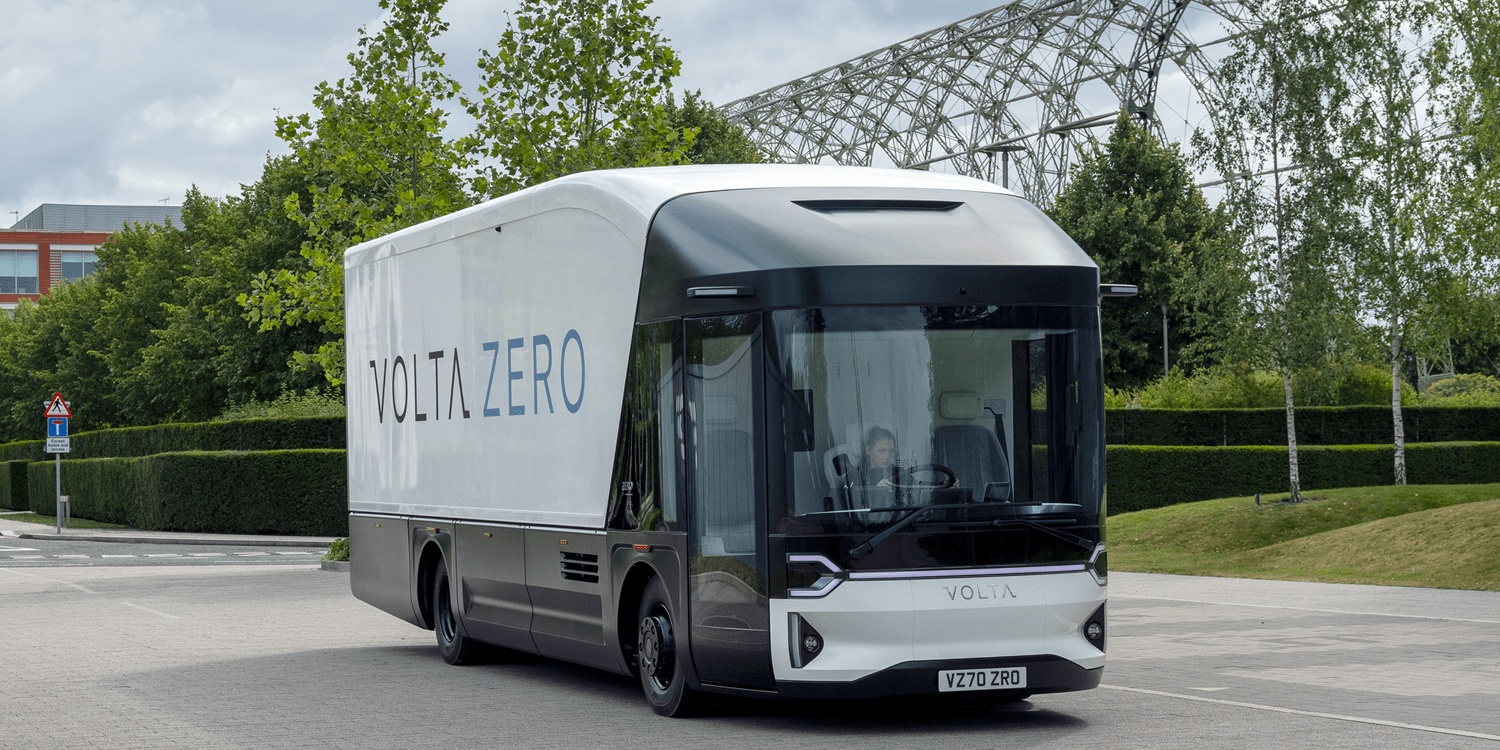
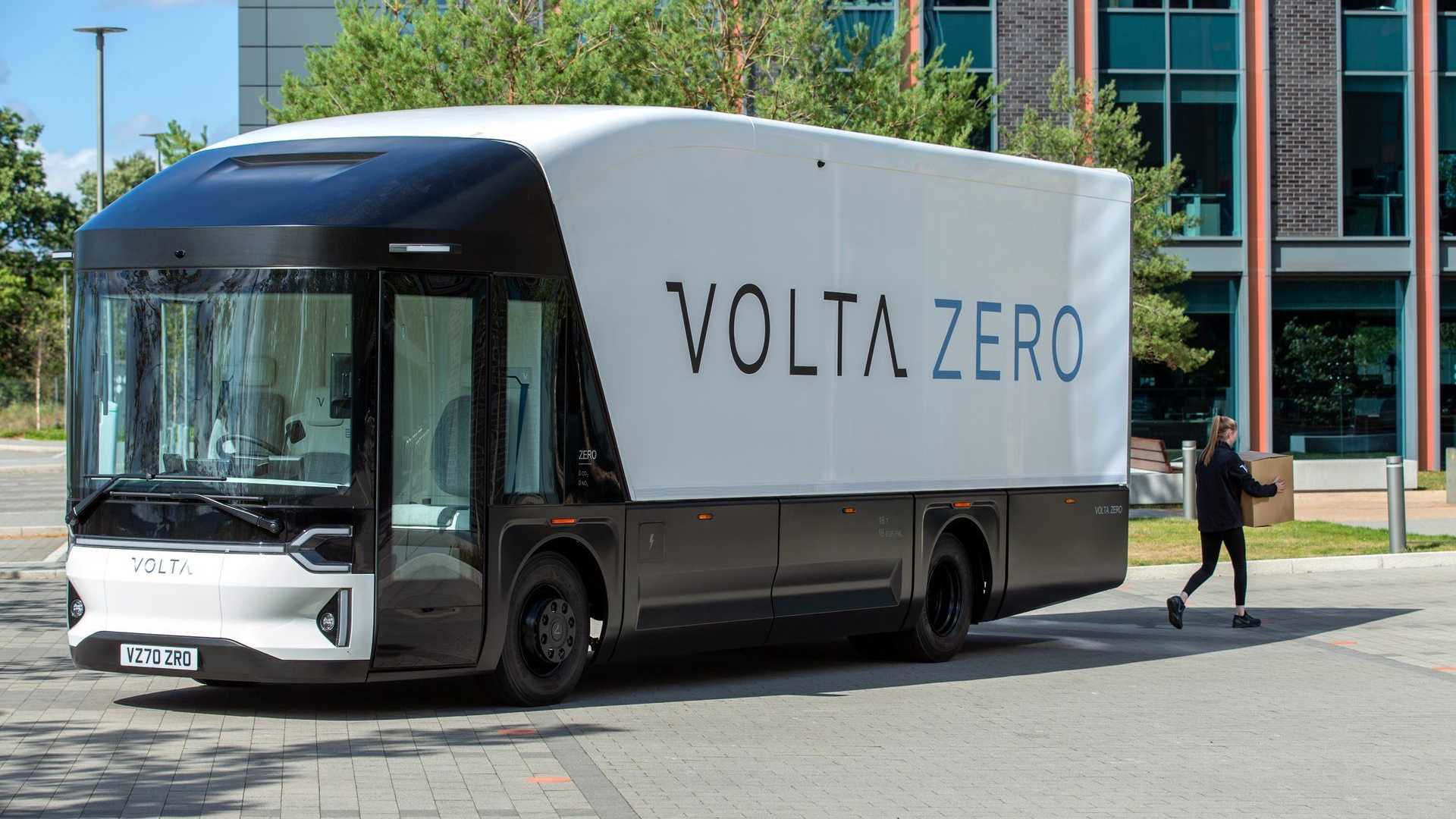
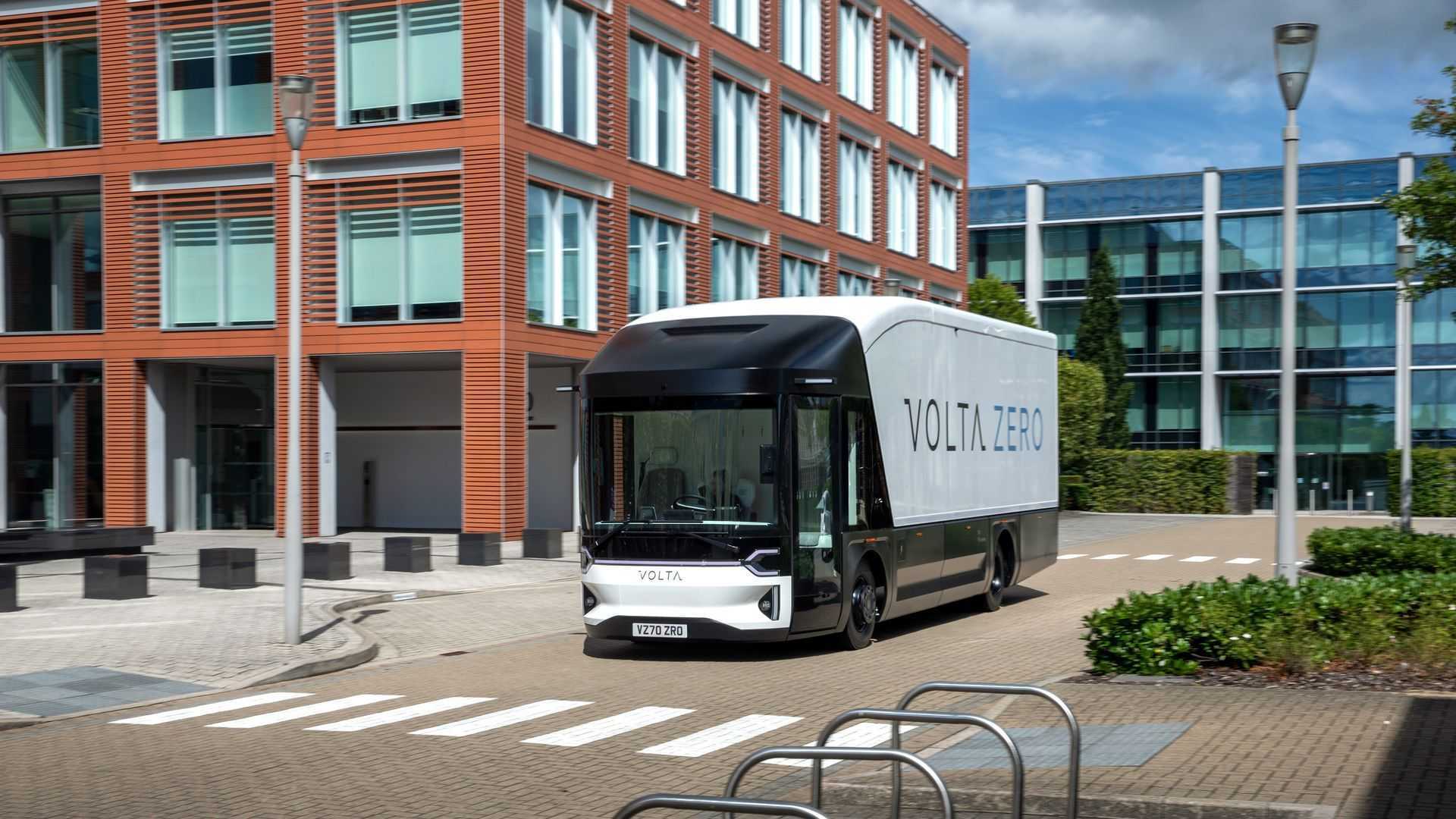
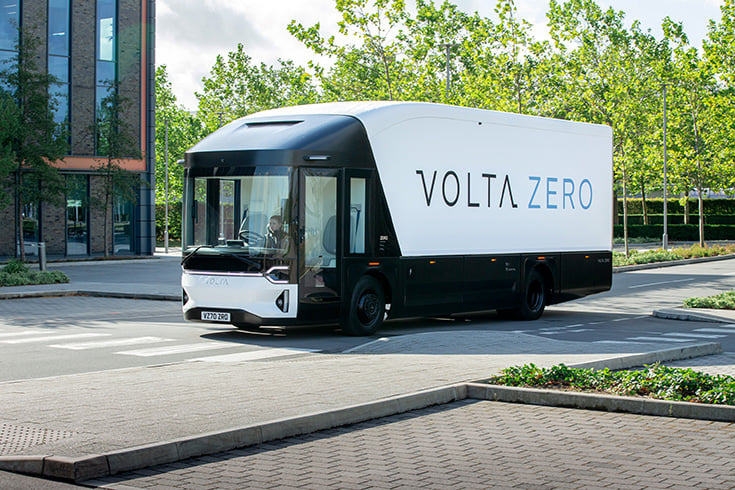
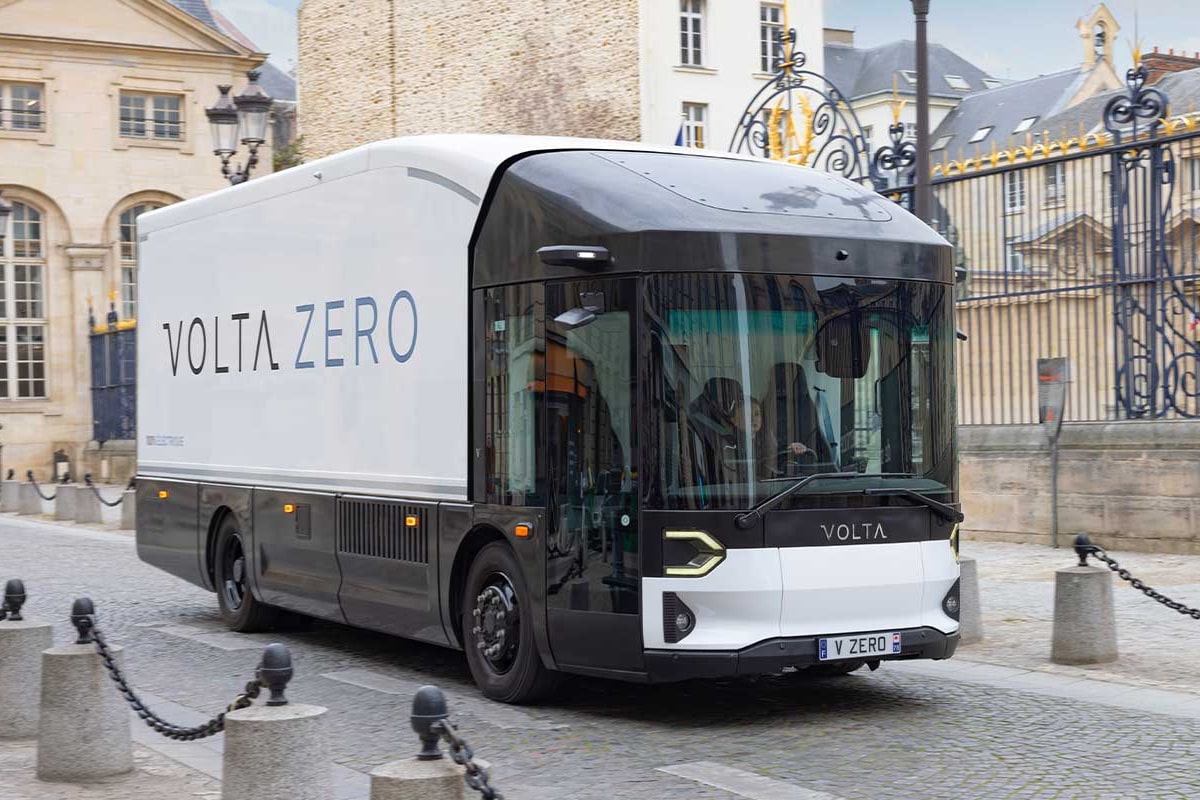
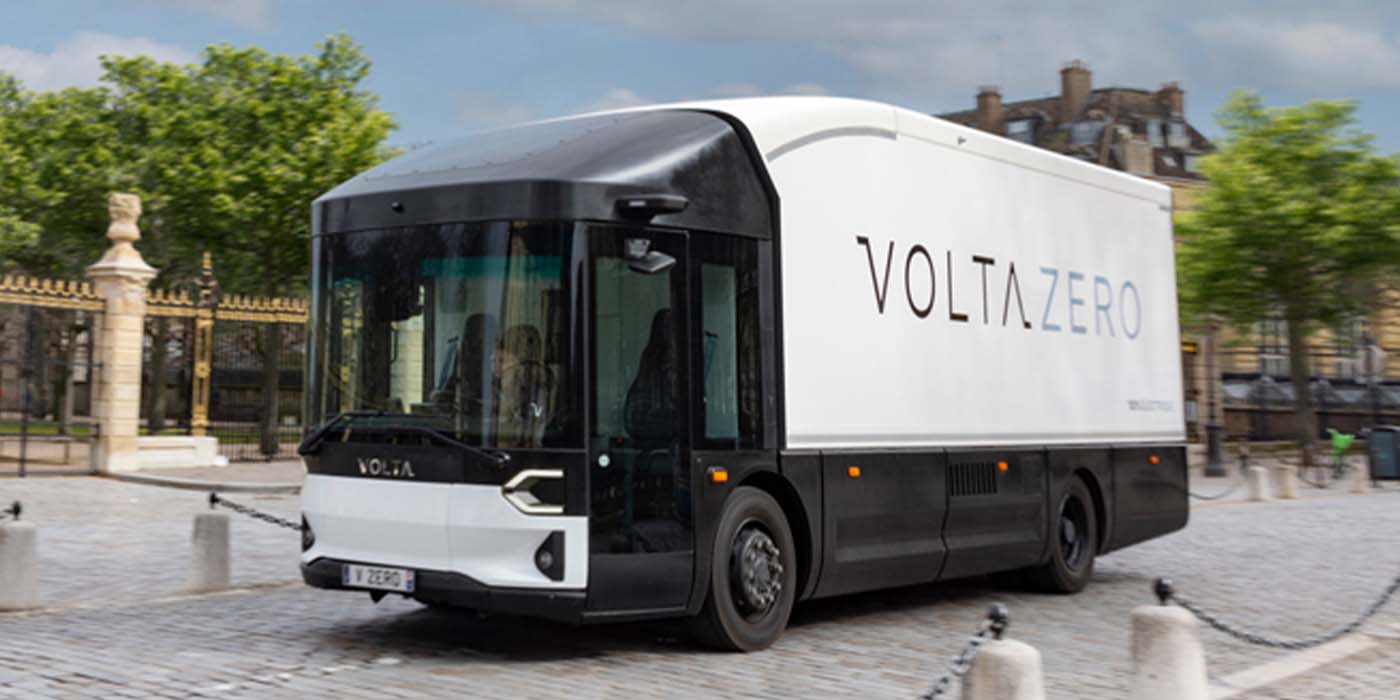
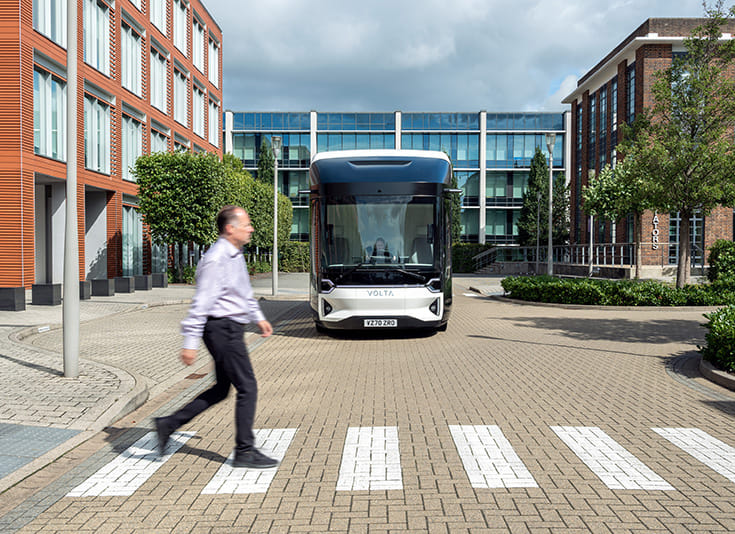
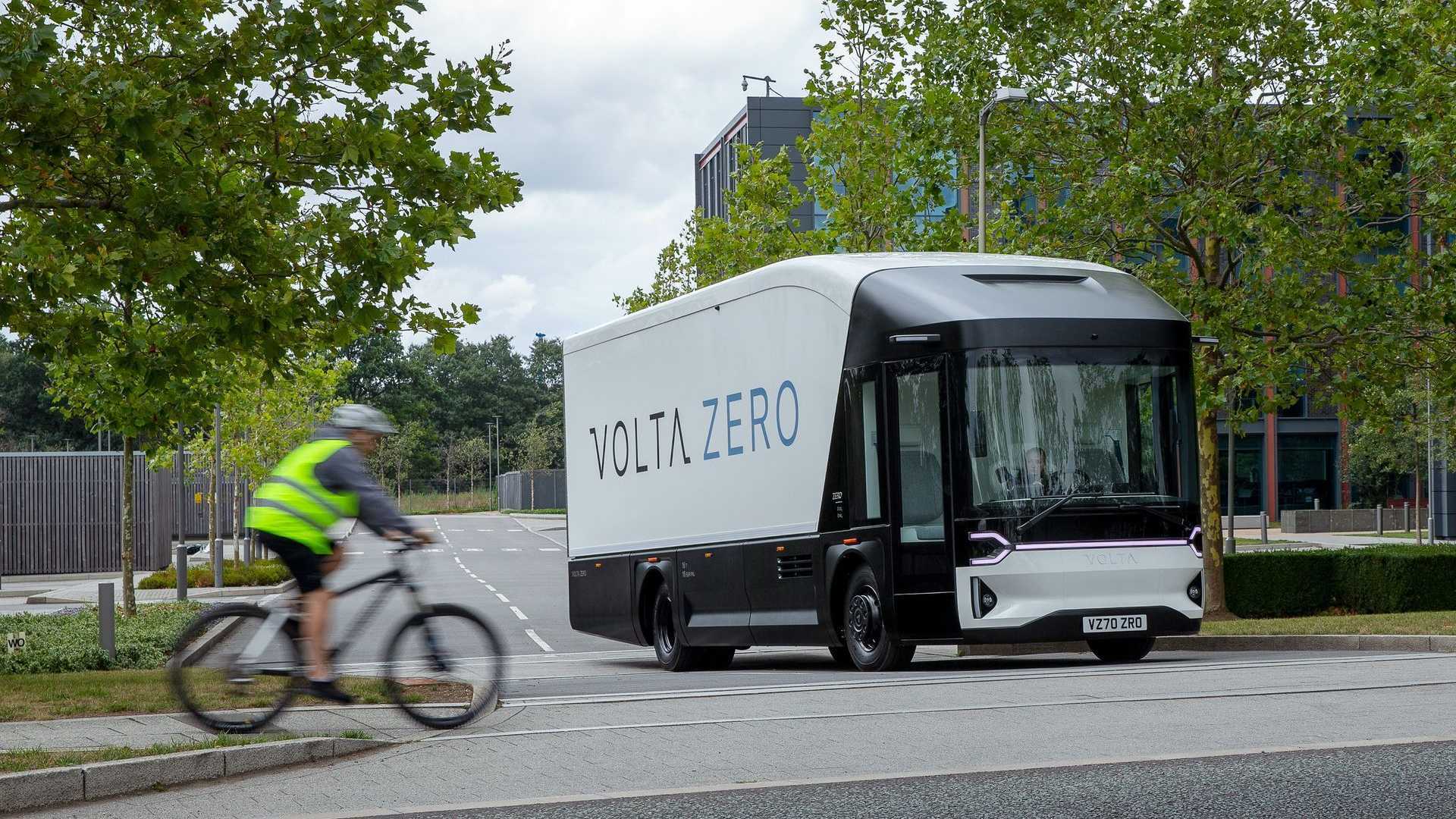
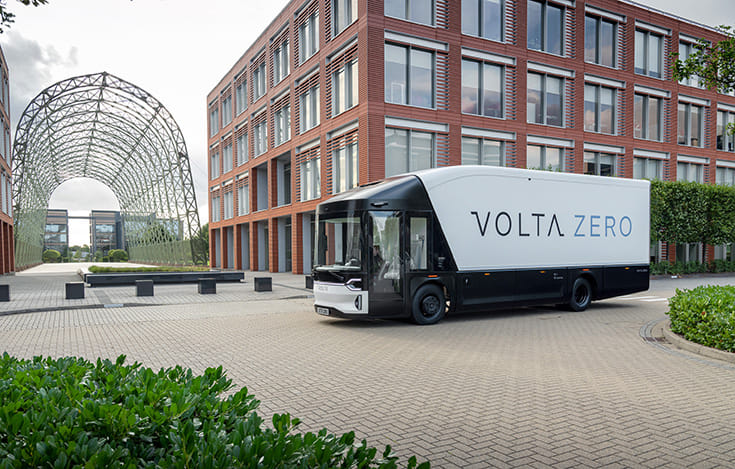
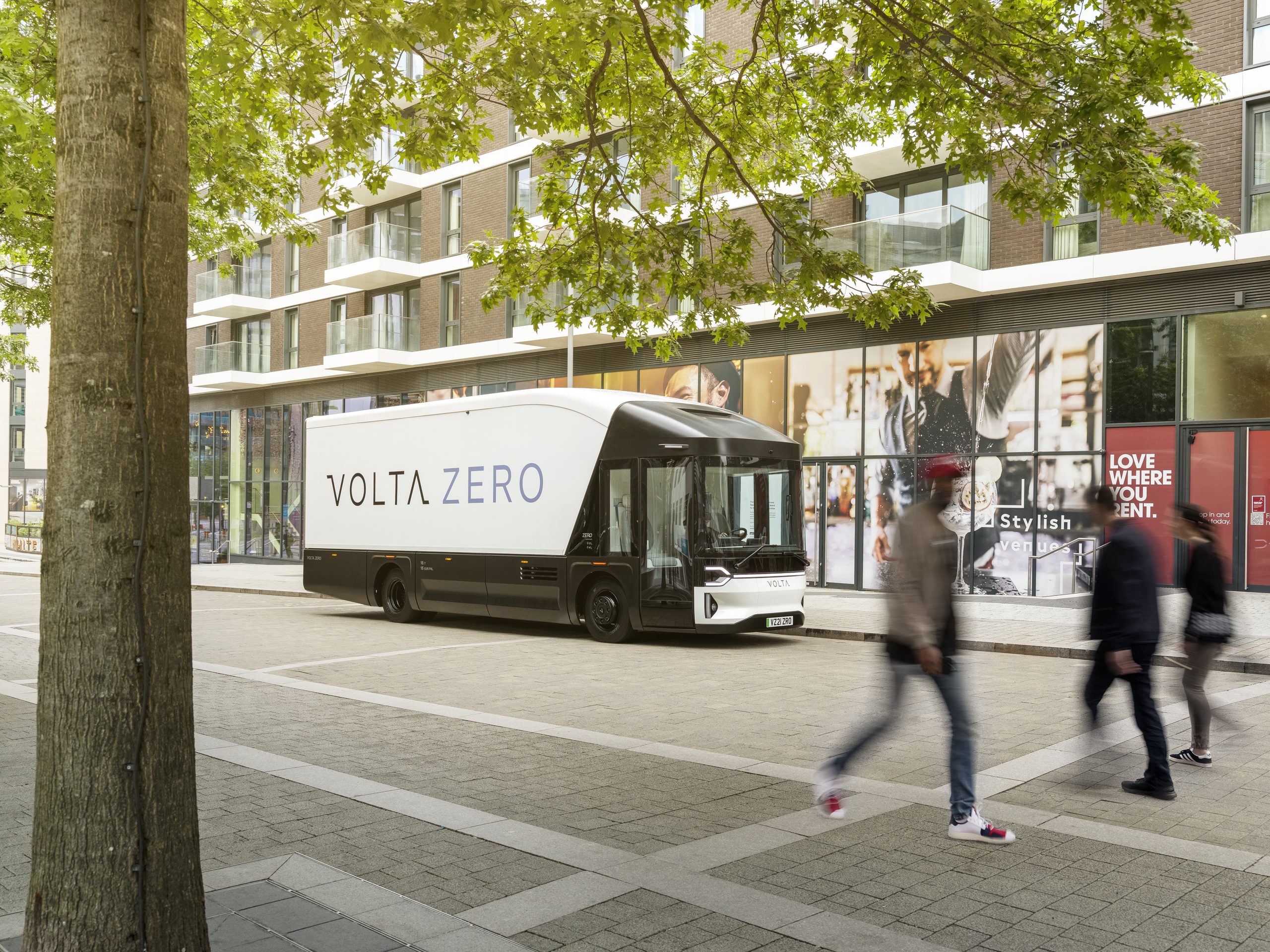
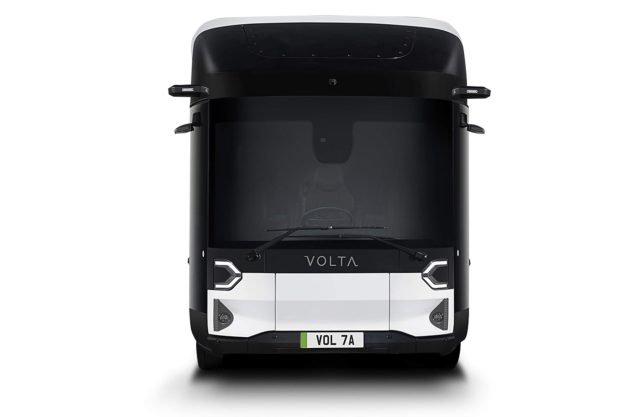
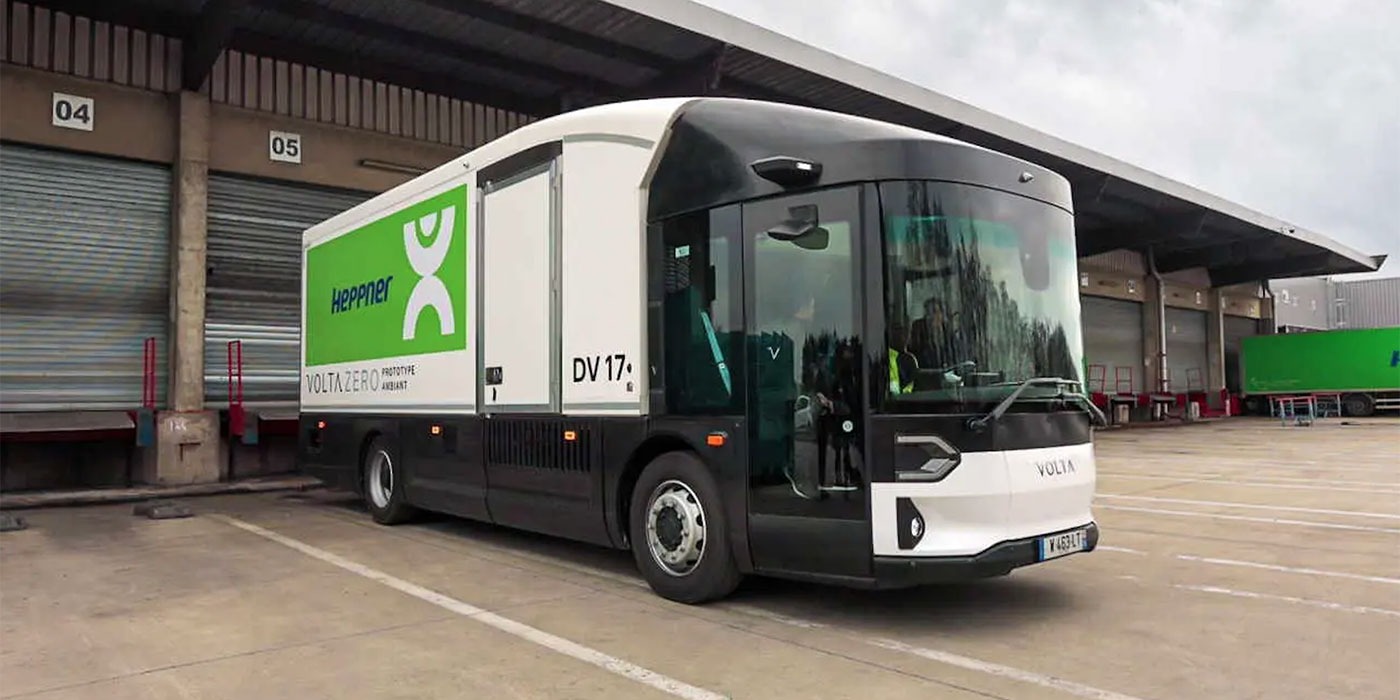
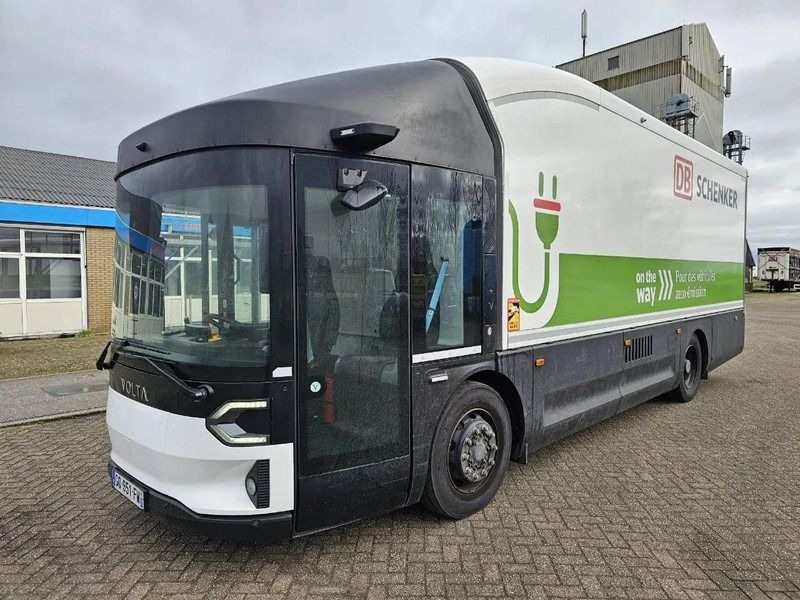
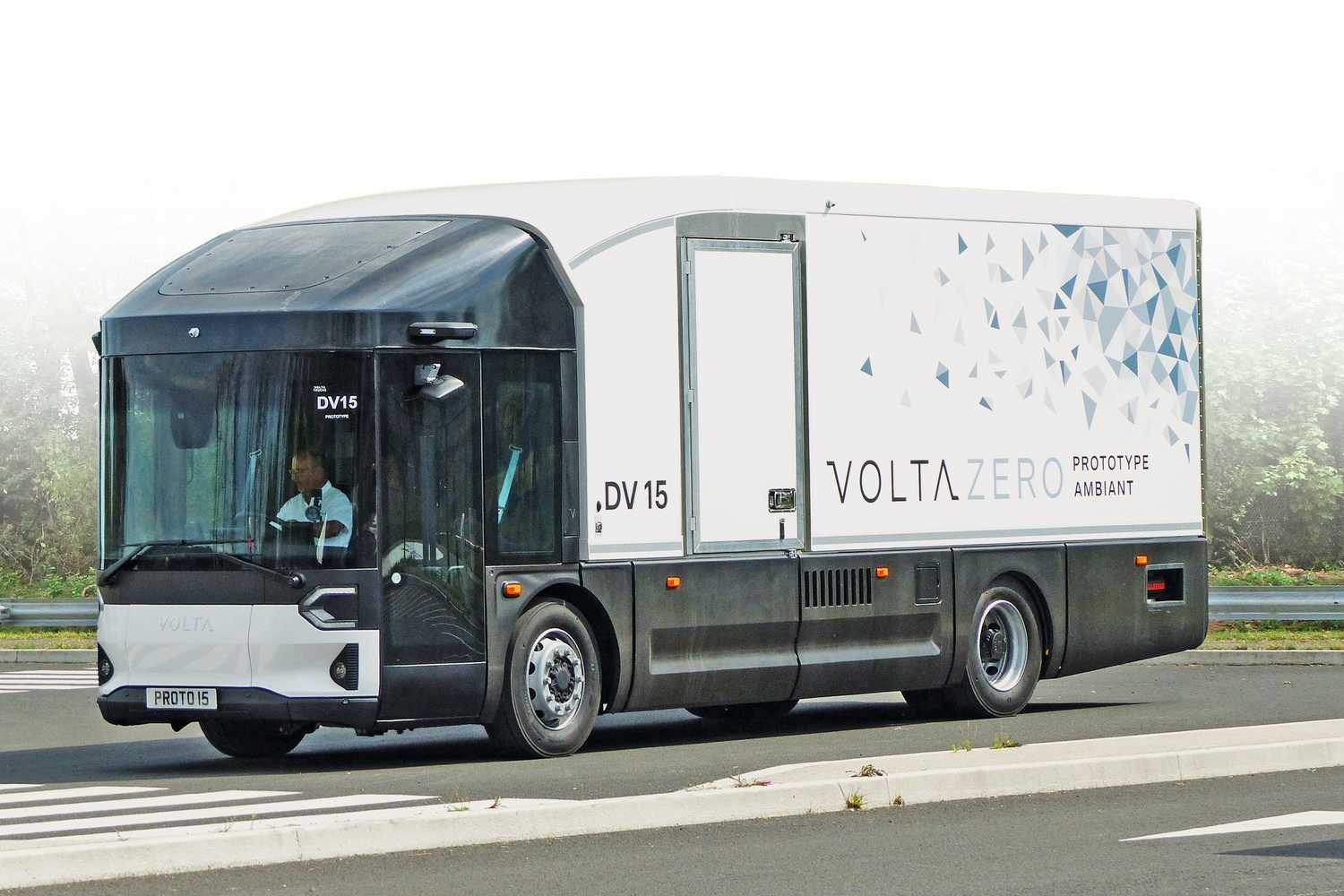
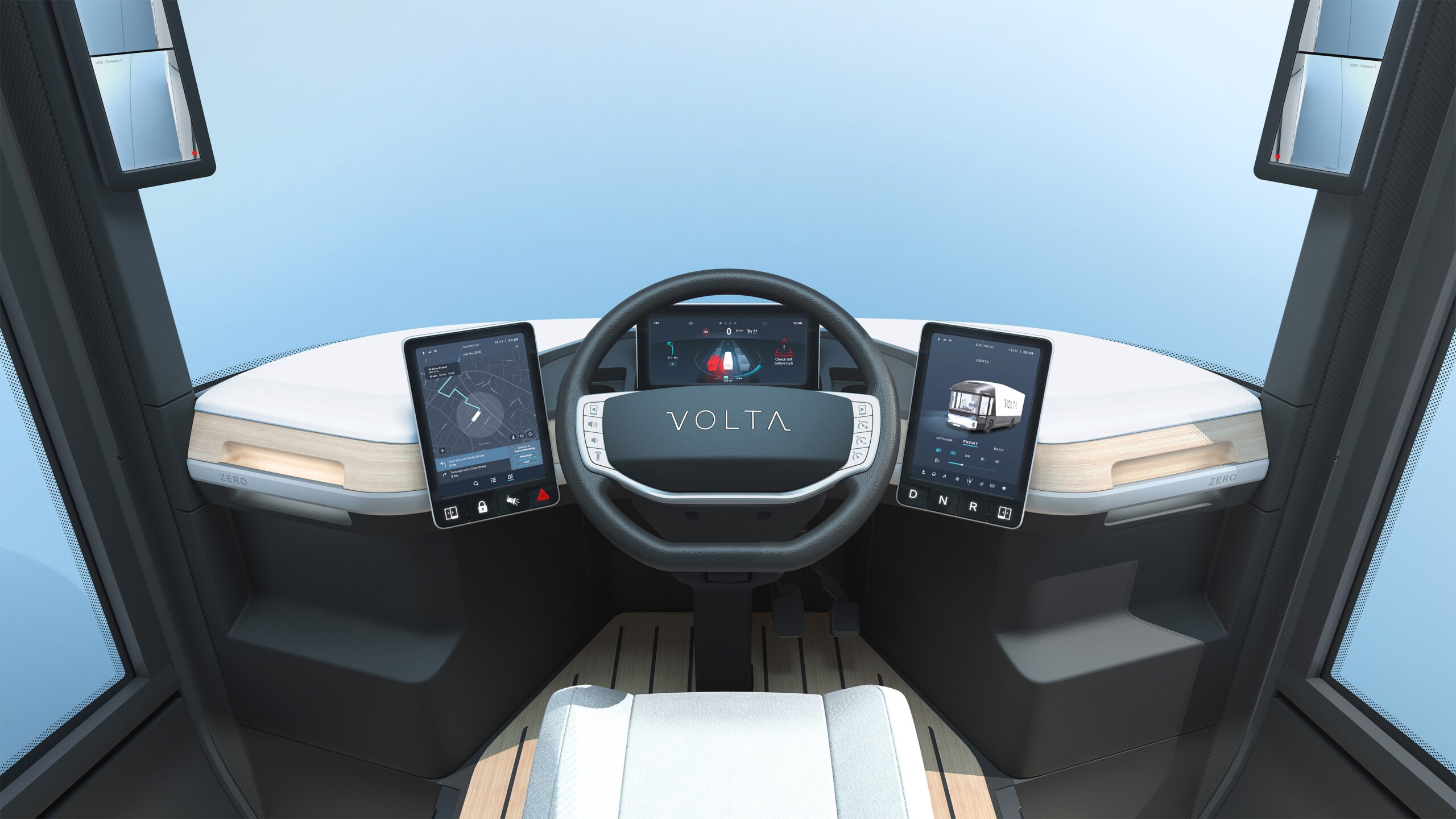
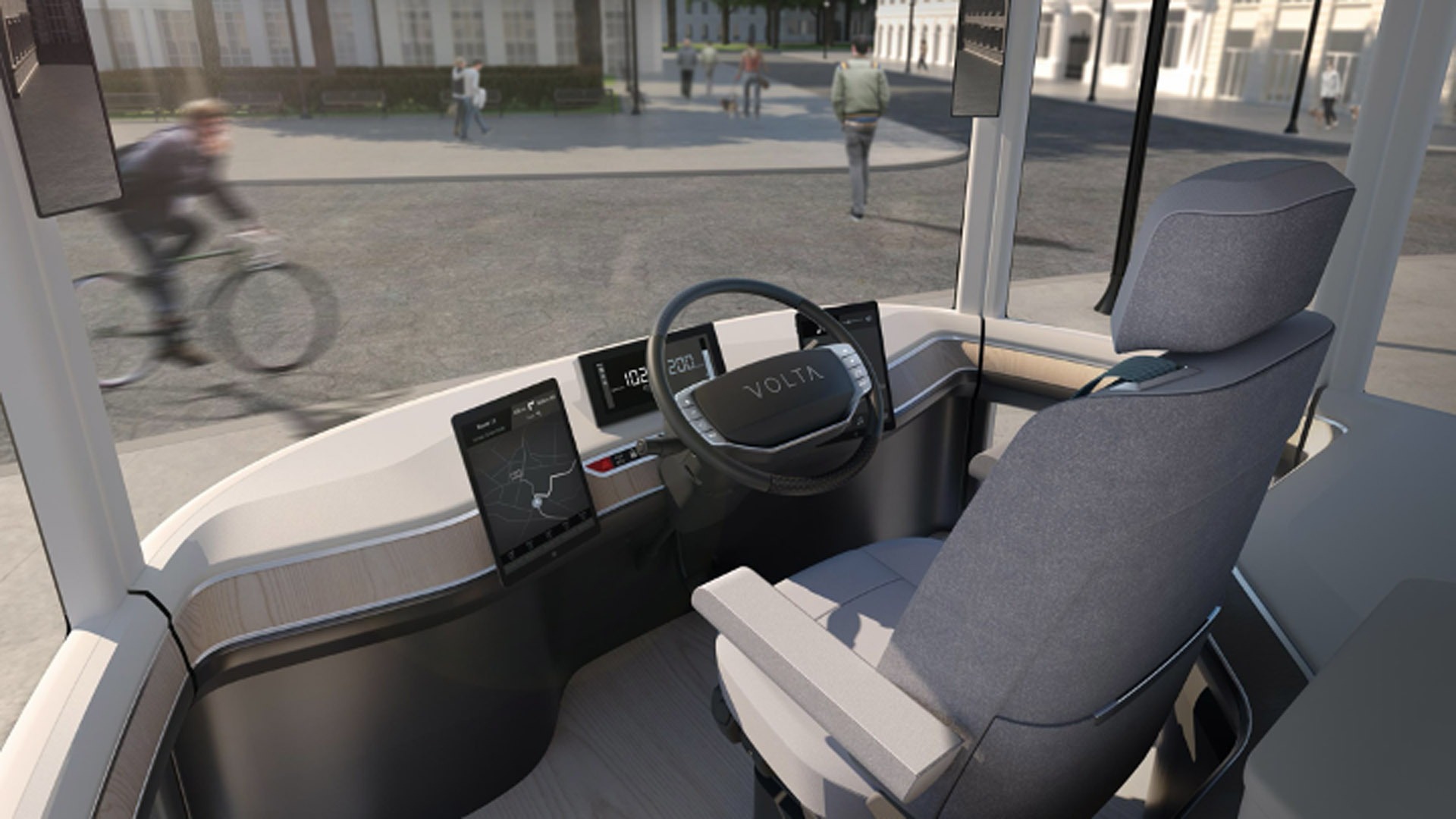
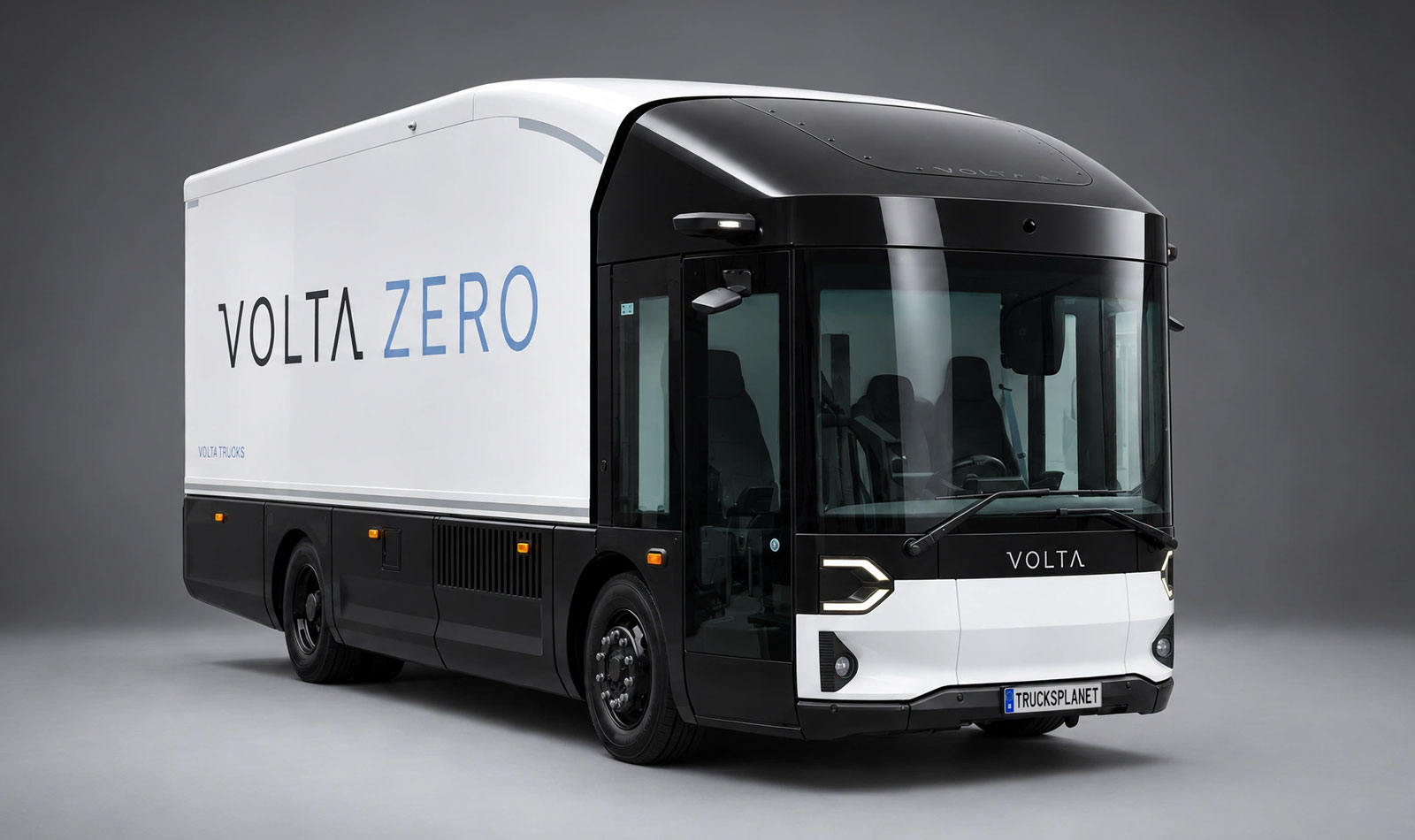
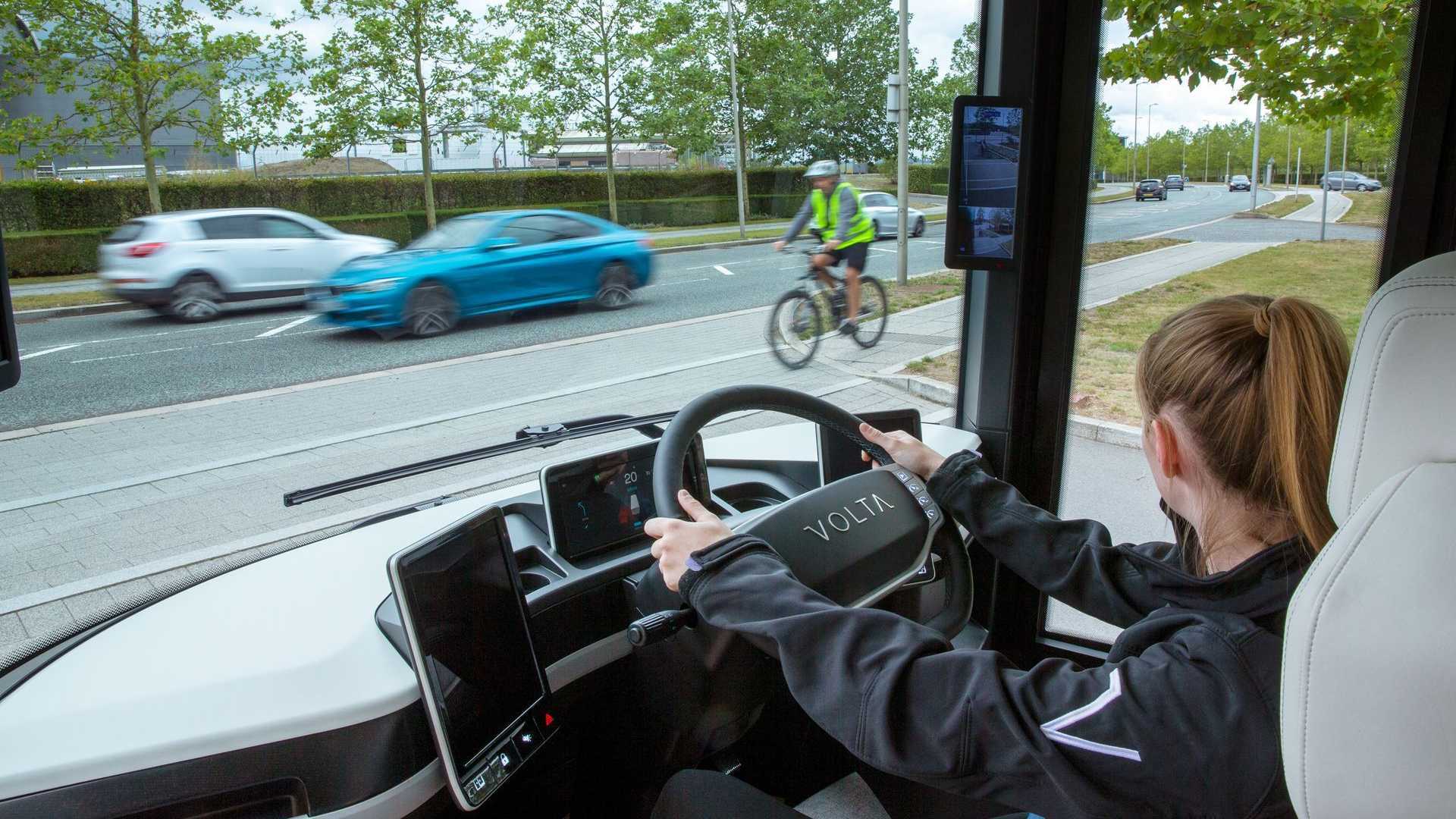
The design is the most distinctive part of the truck. The driver sits in the centre of a lowered, glass-house-style cab with the eye-line at about 1.8 m (5 ft 11 in), on a swivel seat, and the cab has up to two passenger seats.
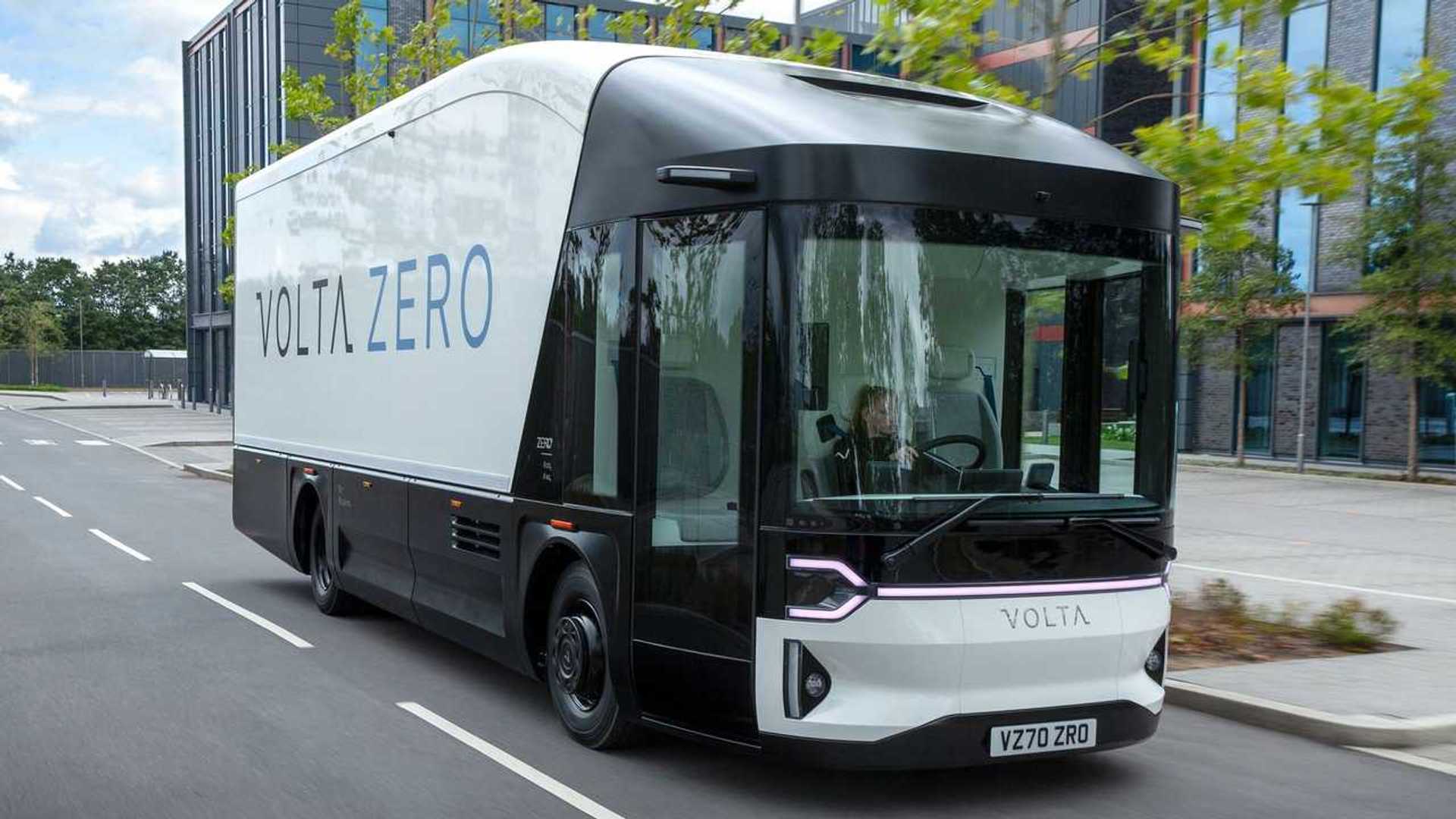
Fast-opening sliding doors on both sides keep the driver away from passing traffic, and the company quotes 220 degrees of direct vision and a target of five stars in the Transport for London Direct Vision Standard.
The lead designer was Carsten Astheimer of Astheimer Design in Warwick, UK, and the first prototype was built with the engineering firm Prodrive in Banbury, UK. The Volta Zero uses cameras instead of mirrors, with a 360-degree bird’s-eye camera, blind-spot warning and driver assistance functions such as lane change assist, lane departure warning and road sign assist.
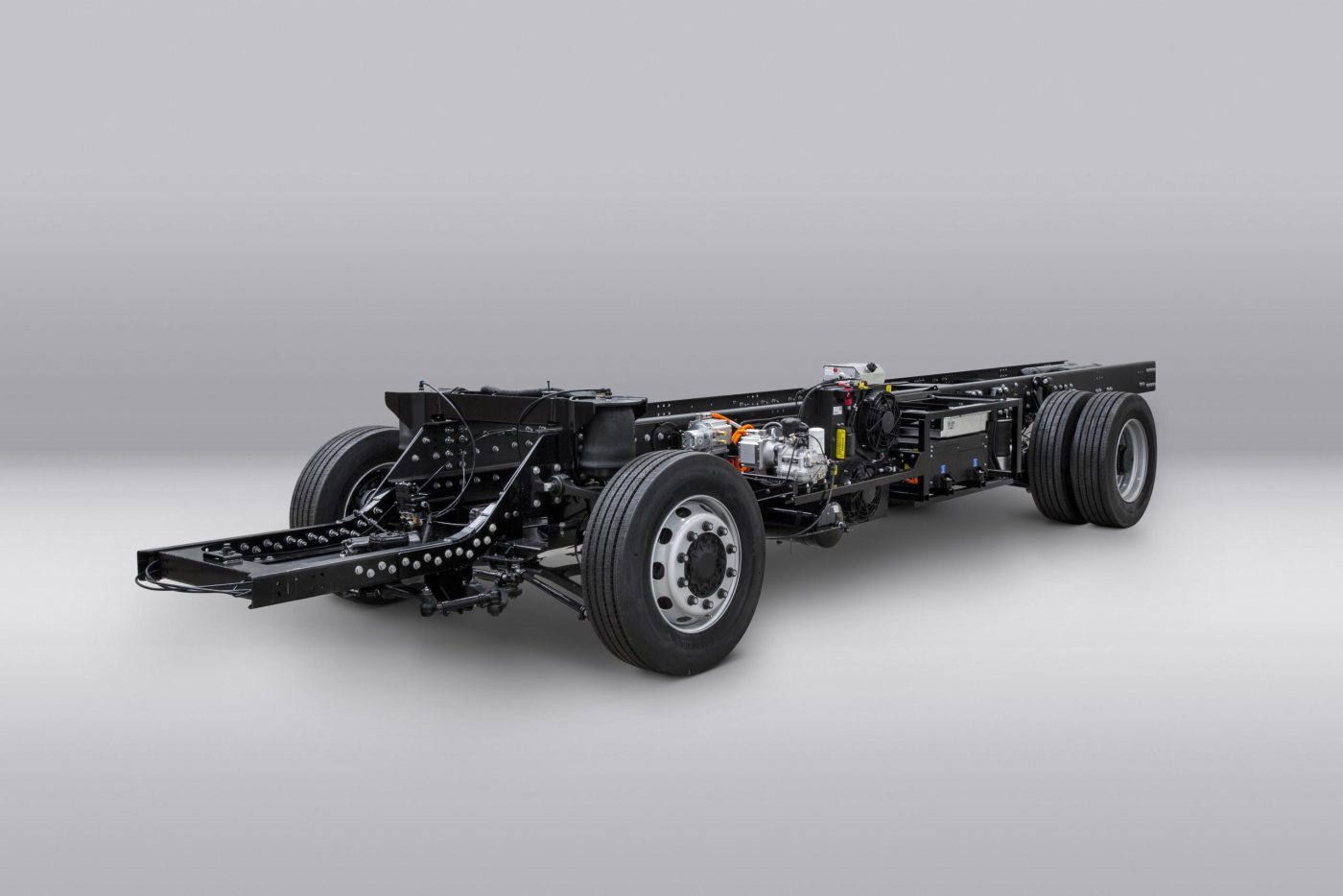
The body panels are made of a flax-fibre composite with a bio-based resin from Bcomp, on a metal spaceframe cab. The chassis has a single electric motor, transmission and axle combined in a rear e-axle from Meritor, which frees the space between the chassis rails for a modular lithium iron phosphate (LFP) battery.
The first batteries were to come from Proterra, whose collapse in 2023 hit Volta’s production plans. Tyres are from Bridgestone, the refrigeration units from Carrier Transicold, and the cargo boxes from Paneltex.
At the reveal in 2020 the Volta Zero was described with a gross vehicle weight of 16,000 kg (35,274 lb), a payload of 8,600 kg (18,960 lb) and a cargo volume of 37.7 m3 for 16 Euro pallets, and with a refrigerated box available that runs its cooling unit from the traction battery. It was 9,460 mm (372 in) long, 2,550 mm (100 in) wide and 3,470 mm (137 in) high, with a wheelbase of 4,800 mm (189 in). The announced battery was 160 to 200 kWh and the range 150 to 200 km (95 to 125 miles), validated by simulation with a full payload. The top speed is limited to 90 km/h (56 mph).
The later technical sheet for the production truck, with data valid from May 2024, lists two batteries: a standard pack of 150 kWh usable (164 kWh gross) with a range of 200 km (124 miles), and a long-range pack of 225 kWh usable (246 kWh gross) with 280 km (174 miles). Both ranges are said to be proven in customer trials and depend on equipment, weather, driving style and load. The rear e-axle is rated at 250 kW (335 hp) and has regenerative braking.
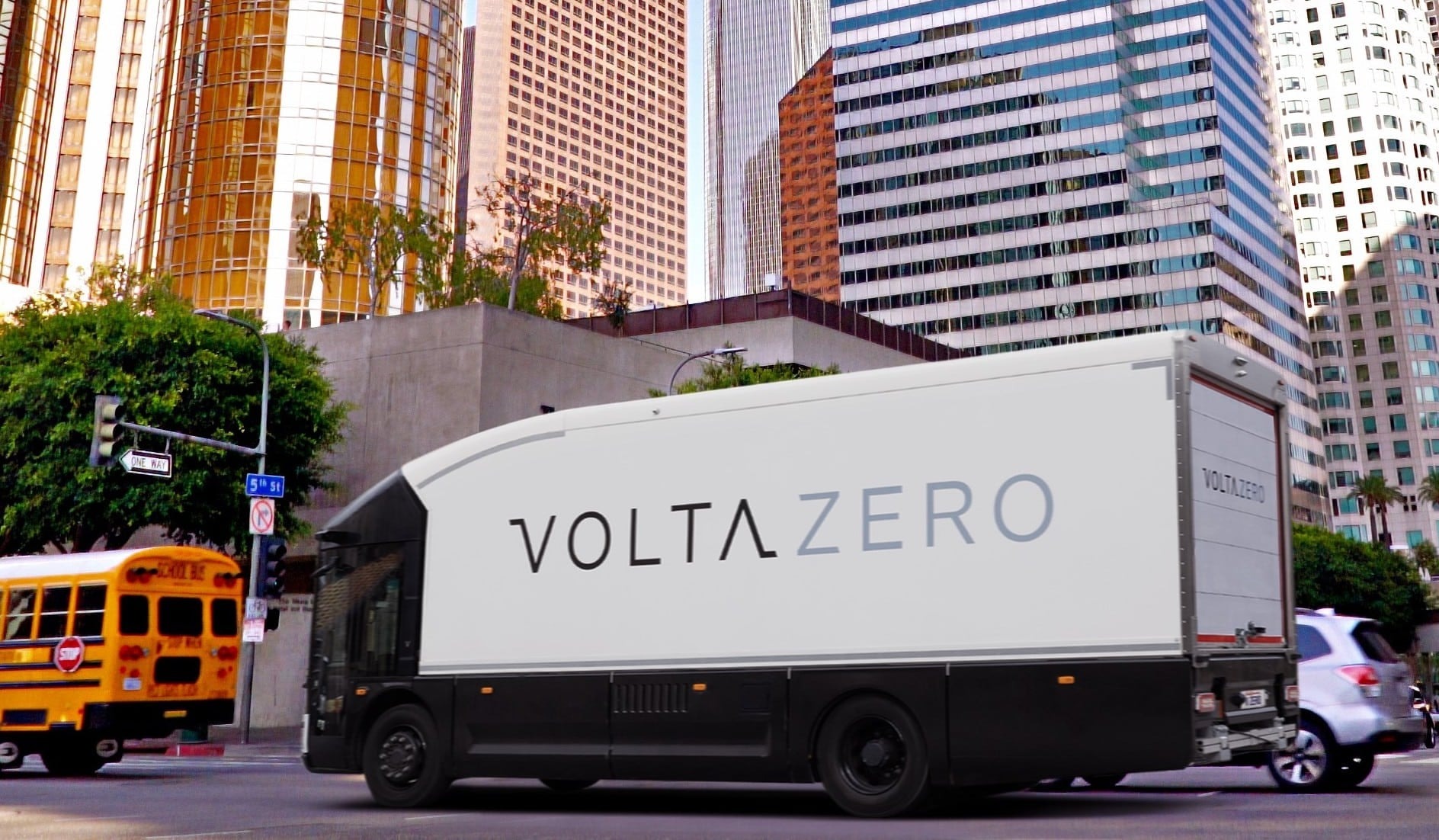
The production truck is offered in 16 t and 18 t versions with a short wheelbase of 4,800 mm and a long wheelbase of 5,900 mm (232 in). The length is 9,252 mm (364 in) with the short wheelbase and 10,352 mm (408 in) with the long one, the width is 2,550 mm (2,819 mm including the mirror cameras) and the height is 3,302 mm (130 in), or 3,193 mm with a low roof cowl. The turning circle is 15.8 m (51.8 ft) on the short wheelbase and 19.0 m (62.3 ft) on the long one. The gross vehicle weight is 16,000 or 18,000 kg (39,683 lb), the front axle is rated at 6,500 or 7,650 kg and the rear axle at 10,500 or 11,500 kg. The kerb weight of the chassis-cab is 6,500 kg (standard battery) to 6,975 kg (long-range battery) on the short wheelbase and 6,700 to 7,175 kg on the long one; the weight of the body is left to the body builder.
Standard equipment includes a low-entry walk-through cab, sliding doors, three seats, heated and air-suspended seats, a driver airbag, air conditioning, a heated windscreen and steering wheel, an electronic parking brake, a touch-screen vehicle control system, rear-view and reversing cameras, parking sensors, payload monitoring and remote data logging.
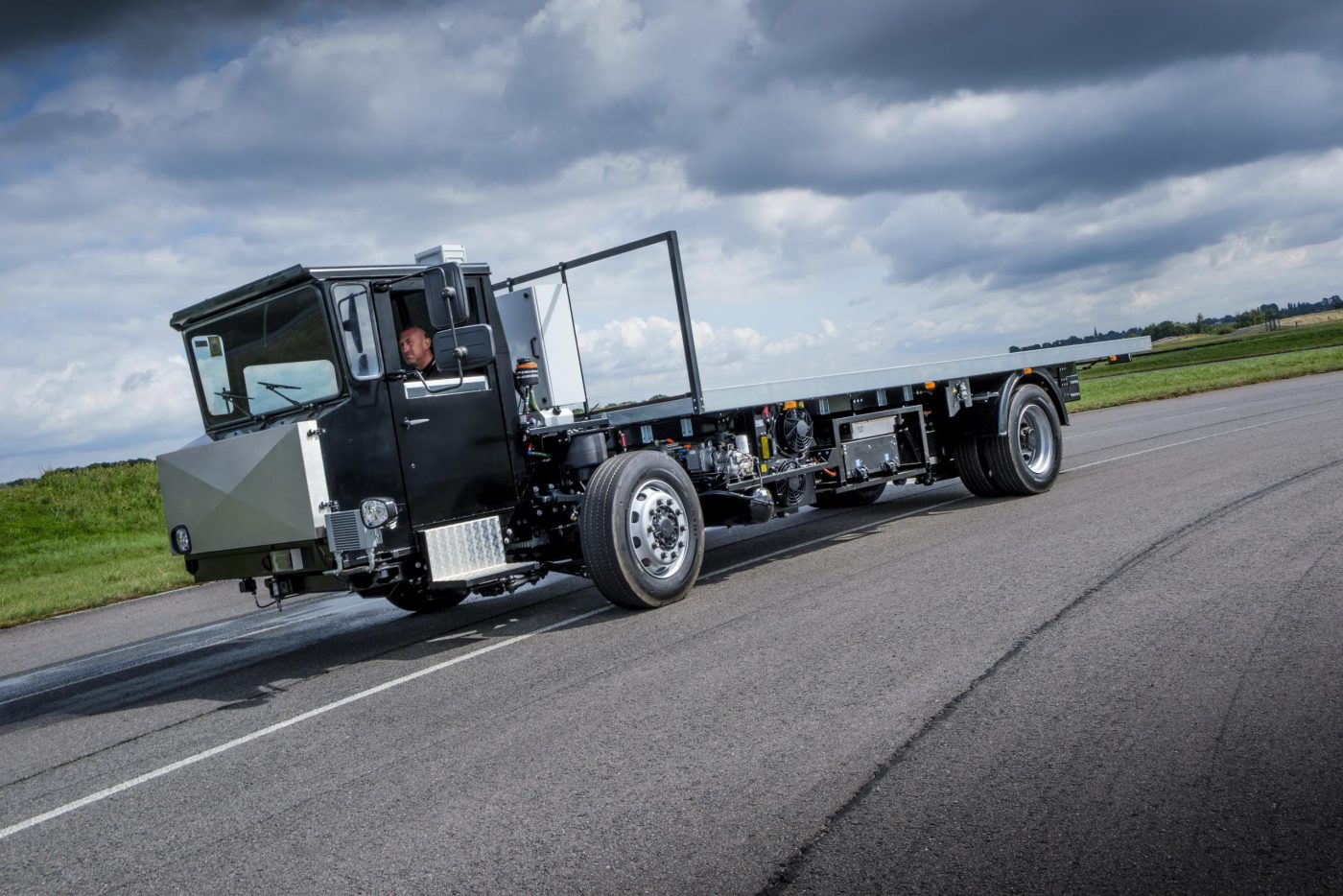
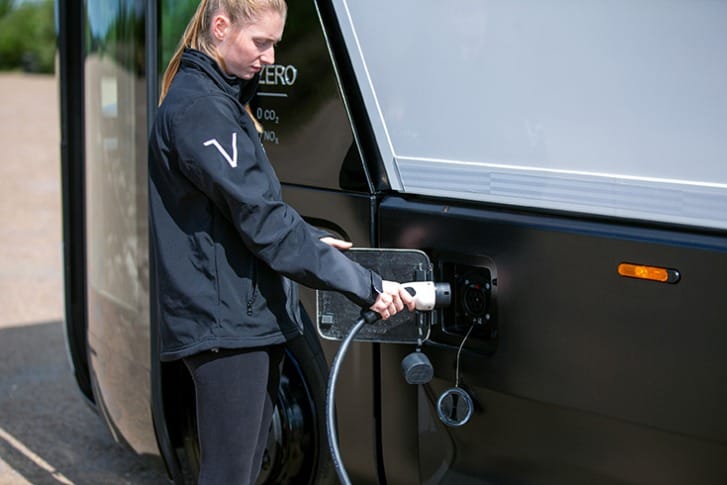
Options include the long-range battery, a 360-degree camera, a high-voltage power connector for refrigeration or other box equipment, and a low roof cowl. In 2022 Volta also showed smaller 7.5 t and 12 t versions with the same front end, the 12 t with a longer chassis and a second set of rear wheels, but they have not been reported as built.
Volta planned to build the truck in the UK, but production was moved to the contract manufacturer Steyr Automotive in Steyr, Austria, and series production started there in April 2023. Customers announced by the company included DB Schenker with an order of about 1,470 trucks, Petit Forestier with 1,000 refrigerated trucks and the Nordic parcel carrier Bring, and Volta reported an order book of about 6,000 vehicles in 2022. Reports differ on the funding, with figures of 360 to 460 million euros raised from investors before the company filed for bankruptcy in Sweden on 17 October 2023.
The British assets were bought by the investor Luxor Capital, and in 2024 the company restarted as Volta Commercial Vehicles with a smaller team and a plan to supply the Volta Zero as a chassis-cab for body builders, with Steyr Automotive resuming production.
The new company planned the first deliveries for the end of 2024, but this did not happen, and in May 2025 the British parent company and its Austrian subsidiary were reported insolvent for a second time. An administrator was said to be looking for investors, and the number of trucks built and delivered has not been published.